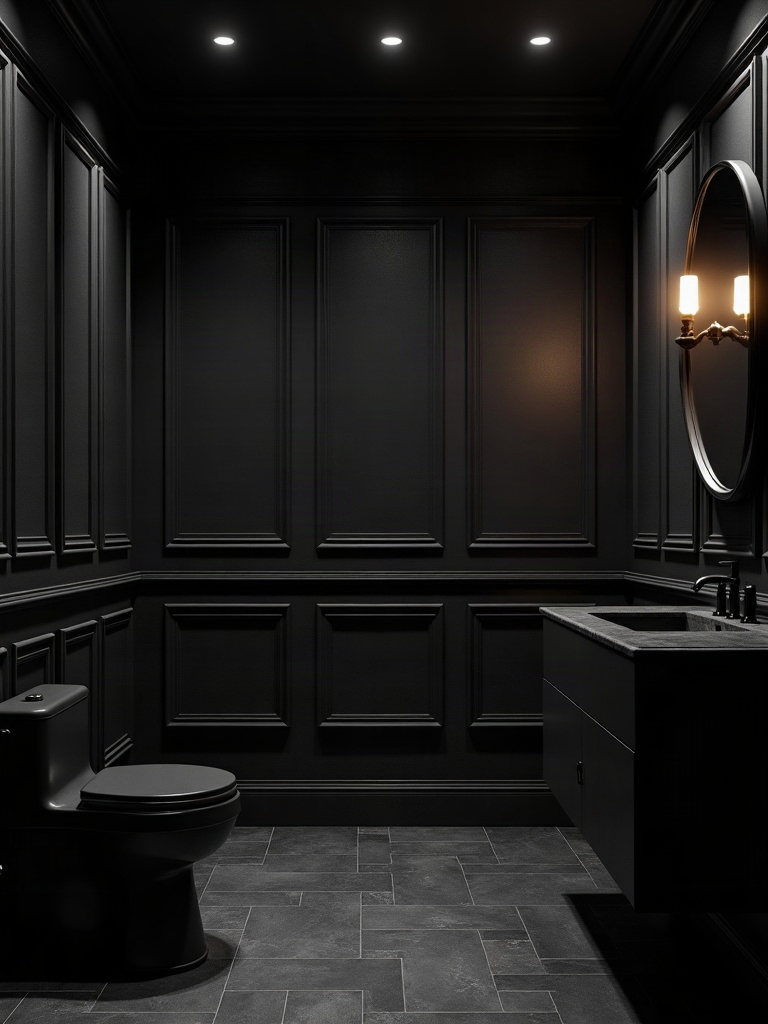
15 Eclectic Maximalist Dining Rooms Where Every Dinner Party Becomes a Main Character
15 Eclectic Maximalist Dining Rooms Where Every Dinner Party Becomes a Main Character
A dining room should make you want to linger. Not because the chairs are comfortable (though they should be). Because the room itself is too good to leave.
The dining room is the most social room in the house — the one built specifically for gathering, eating, talking, drinking something good, and staying too long. Which makes it bizarre that so many of them are beige with a table from a big-box store and a chandelier ordered entirely by square footage recommendations.
The maximalist dining room refuses this fate. It understands that a table is a stage and the room around it is the production design. It goes hard on the chandelier. It makes a decision about the walls. It mixes chairs because matching chairs are the enemy of interesting dinner parties. Here are 15 dining rooms that understand exactly what a dining room is for.
1. The Grand Banquet Room — A Chandelier Situation That Requires Nothing Else
Some dining rooms build up from the table. This one starts from the ceiling and works down. A chandelier so present, so structurally dramatic, that every other decision in the room is made in response to it. Crystal and bronze. Wrought iron with candle sleeves. A cascading design with forty bulbs. Something that would not look out of place in a small European castle.
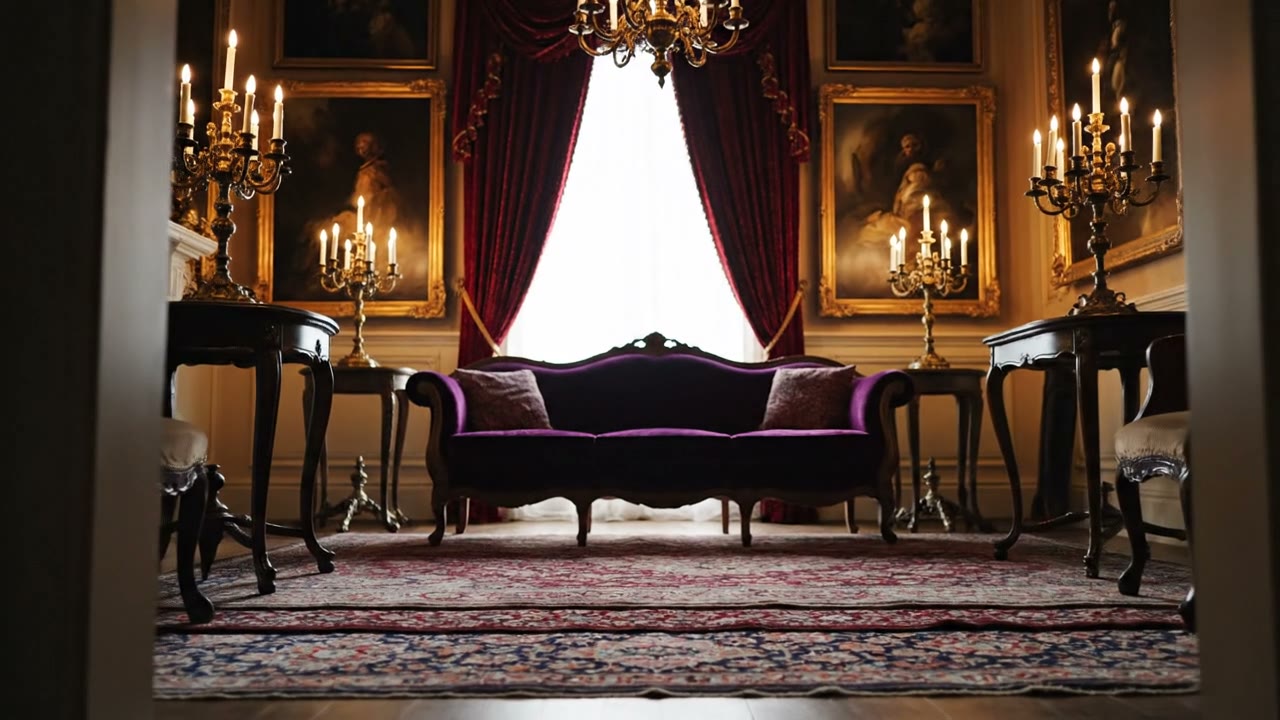
The table exists to be beneath it. The chairs exist to seat people who will spend dinner occasionally glancing up. The walls are dark because light fixtures sing against dark backgrounds. This dining room is built around one excellent decision and everything else follows naturally.
✦ Shop This Look
2. The Mismatched Chair Dining Room — When the Table Is the Constant and the Chairs Are the Variable
Matching dining chairs are a convention with no aesthetic justification. Eight identical chairs say: this was purchased as a set and no further thought was applied. Eight different chairs — each interesting, each belonging to a different era or style — say: this table has hosted a lot of life and collected seating accordingly.
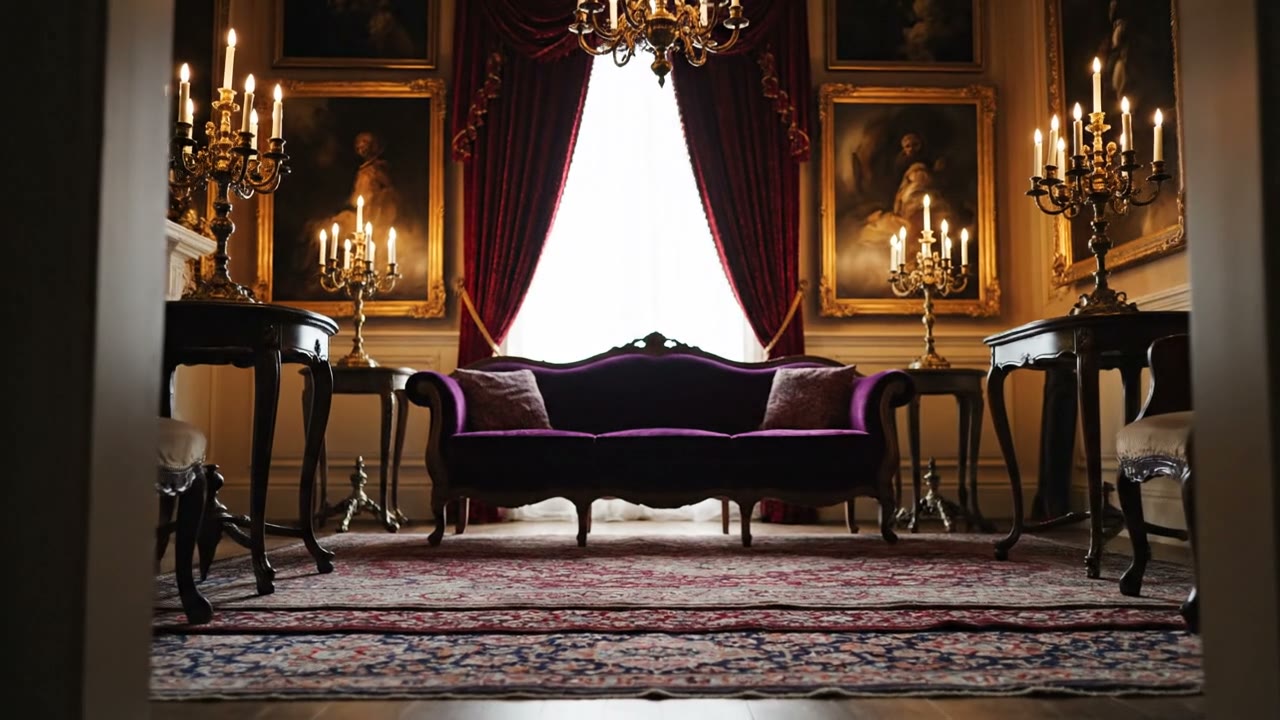
The key is keeping one element constant across all chairs: the finish (all dark wood), the seat height (all standard), or the upholstery (all in the same family of fabric). Everything else: free range. Mix a tufted Victorian with a mid-century ladder back with an art deco velvet captain’s chair. The table will hold it all together.
✦ Shop This Look
3. The Candlelit Dinner Room — Fifty Candles and a Matching Aesthetic
There is a version of the maximalist dining room that runs on candlelight. Not accent candles in addition to overhead lighting — candles as the primary light source, backed up by low, warm overhead dimmed to almost nothing. Tall tapers in ornate holders of varying heights. Pillar candles on a mirrored tray at the center of the table. Wall sconces with real flames.
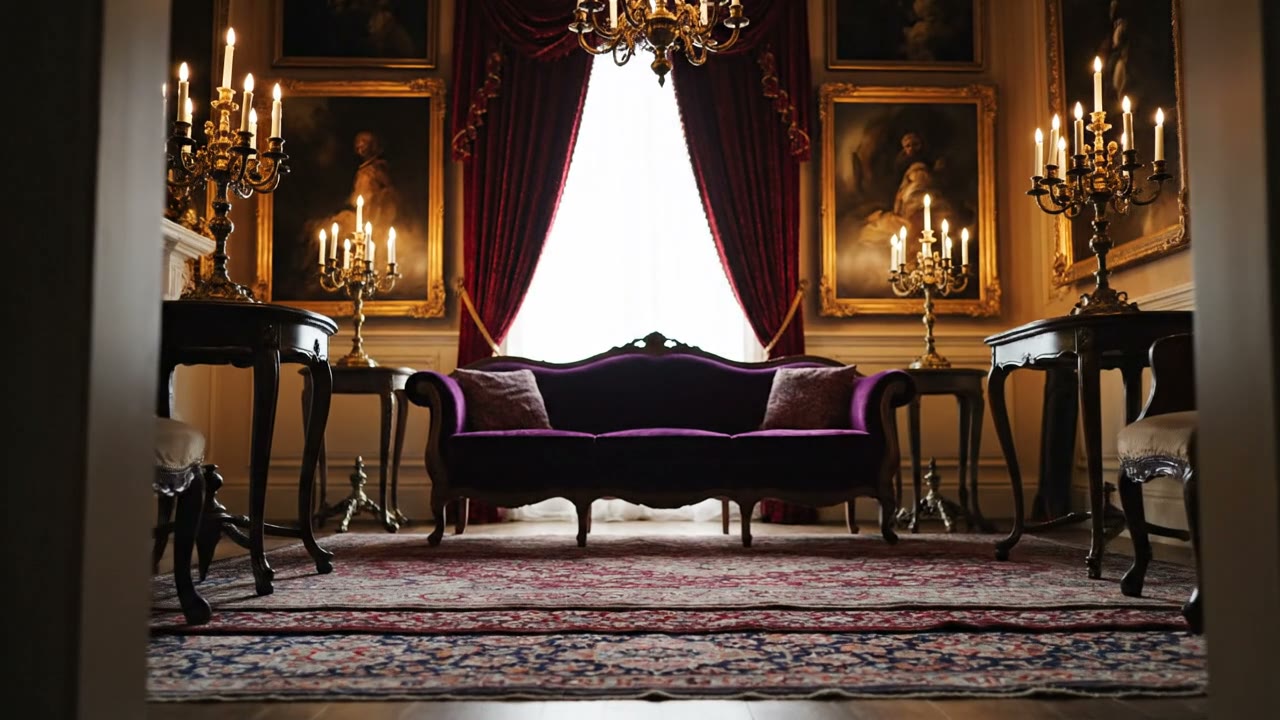
This dining room requires a small investment in fire safety and a large investment in ambiance. Every dinner feels like a scene from something important. Guests arrive to ordinary food and leave having had an extraordinary evening, and they won’t be entirely sure what made the difference.
✦ Shop This Look
4. The Dark Botanical — Moody Walls, Trailing Vines, and the Feeling of Eating in a Garden That Went Gothic
Dark botanical dining rooms exist in the overlap between overgrown greenhouse and Victorian orangery. Deep green or charcoal walls covered in trailing pothos and mounted ferns. Botanical print wallpaper behind a sideboard. Plants everywhere — on stands, on the sideboard, hanging from the ceiling in macramé hangers — but plants that have been chosen for drama rather than cheerfulness.
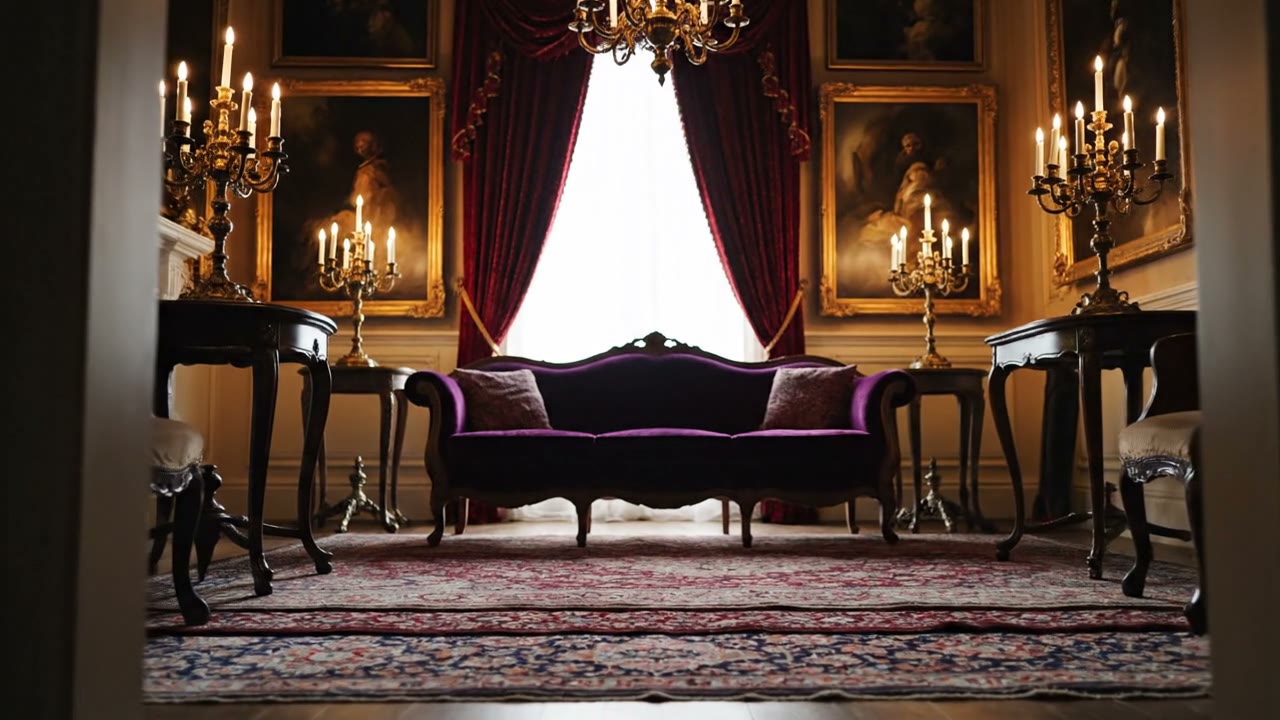
The table is dark wood. The chairs are rattan or vintage bamboo, which somehow reads maximalist against the dark botanical backdrop. The chandelier is wrapped in trailing greenery on the nights it matters. This dining room smells like earth and dinner, which is exactly right.
✦ Shop This Look
5. The Art-Filled Dining Room — Gallery Walls That Make Eating a Cultural Experience
The walls of a dining room are a gift that gets unwrapped multiple times a week. An art collection here is not wasted — it’s seen regularly, in good company, with food and wine and conversation that might actually touch on what’s hanging there. Gallery walls in dining rooms are more alive than in hallways because they have an audience that lingers.
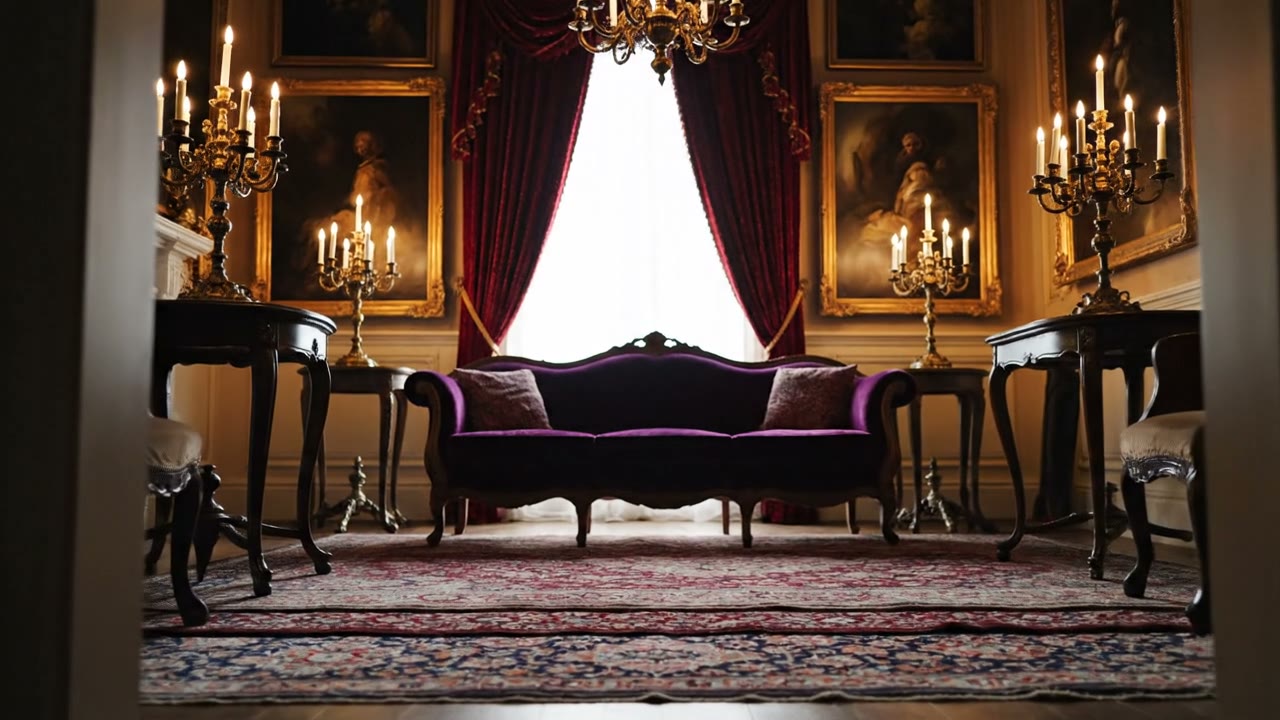
Fill them: large painting above the sideboard, smaller prints flanking the window, a series of framed illustrations on the wall behind the host’s seat so guests across the table have something to look at during pauses. Change things seasonally. Rotate what matters to you currently. The dining room becomes a living exhibition.
✦ Shop This Look
6. The Jewel Box Dining Room — Small, Dark, Perfect
A small dining room is not a lesser dining room. It’s a jewel box — and jewel boxes are lined in velvet and crammed with things that matter. Small maximalist dining rooms work precisely because the scale creates intimacy and the density creates richness. Dark wallpaper on all four walls plus ceiling. A round table because round tables make better conversations. A pendant that hangs low.
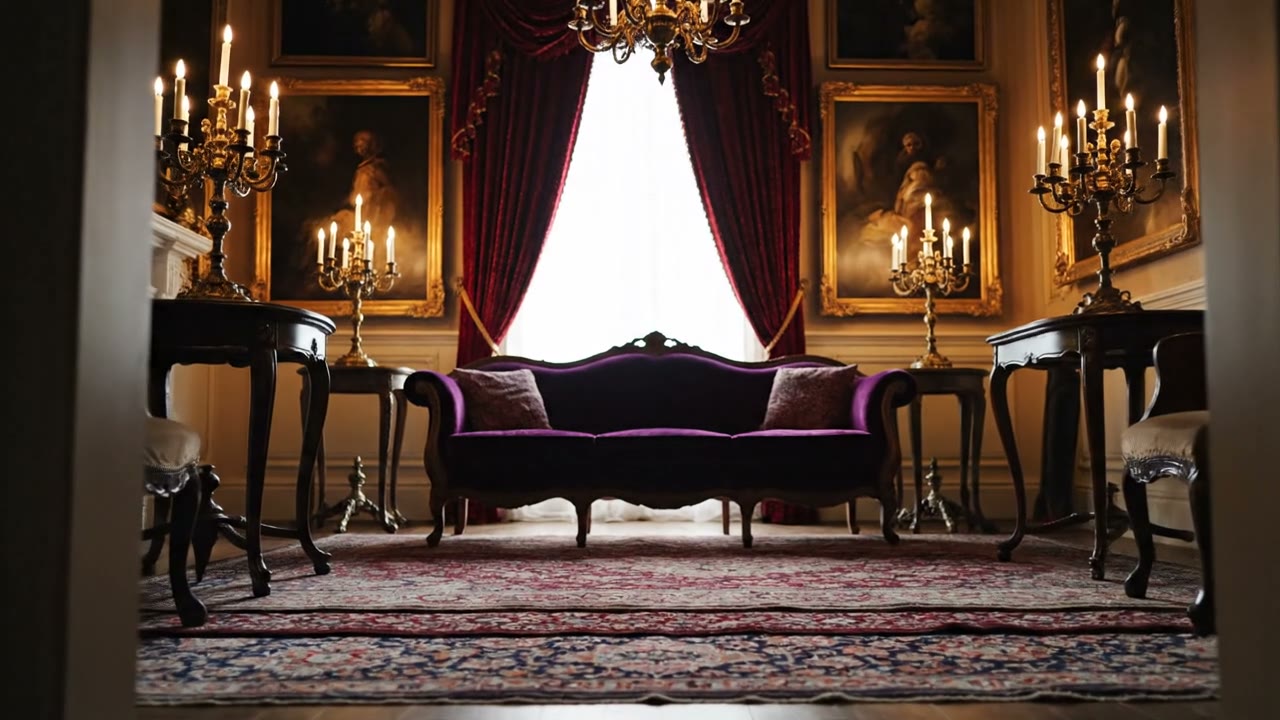
Four mismatched chairs in jewel tones. One sideboard with everything on it. Candles. A small gallery of art that feels like it was chosen for this room specifically. The room seats six for dinner and feels like the most exclusive table in the city.
✦ Shop This Look
7. The Maximalist Sideboard — When the Supporting Cast Steals the Scene
The sideboard is the second most important piece of furniture in the dining room and the most underestimated. A dark wood sideboard with serious presence — carved details, aged brass hardware, lots of storage — becomes a display surface for the collection of things that make the room feel inhabited. Decanters. A stack of oversized art books. A silver candelabra. Framed photos. Plants. Objects.
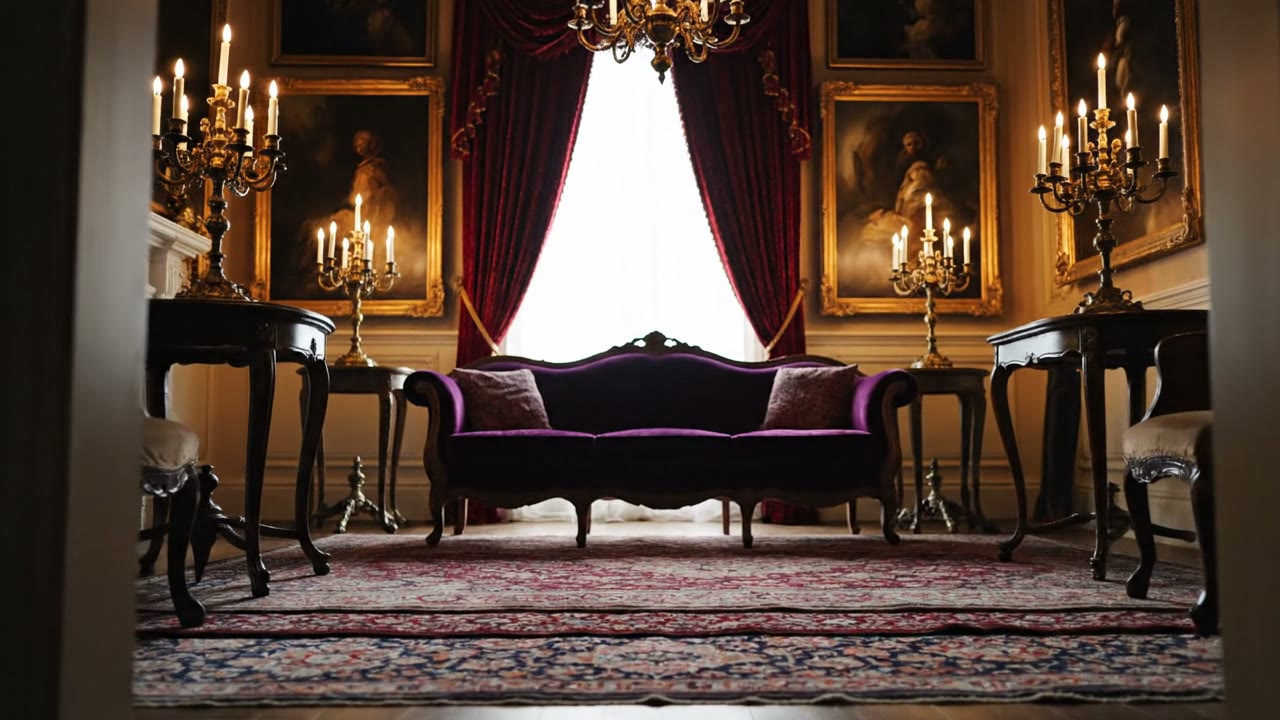
Style the sideboard like a shop window for your personality. Rotate the front items seasonally. The things at the back can stay — the family photo, the heirloom piece, the thing that has been there so long it’s become structural. The front items keep things from calcifying into decor and make them remain collection.
✦ Shop This Look
8. The Chinoiserie Dining Room — Blue, Gold, and a Pattern That Has Never Gone Out of Style
Chinoiserie in the dining room is one of those design moves that is simultaneously traditional and maximalist — it’s been doing both for three hundred years and shows no signs of stopping. Deep navy chinoiserie wallpaper with gold detail. Lacquered dark furniture with brass pulls. Blue and white porcelain on the sideboard and table, mixed with gold candlesticks and dark textiles.
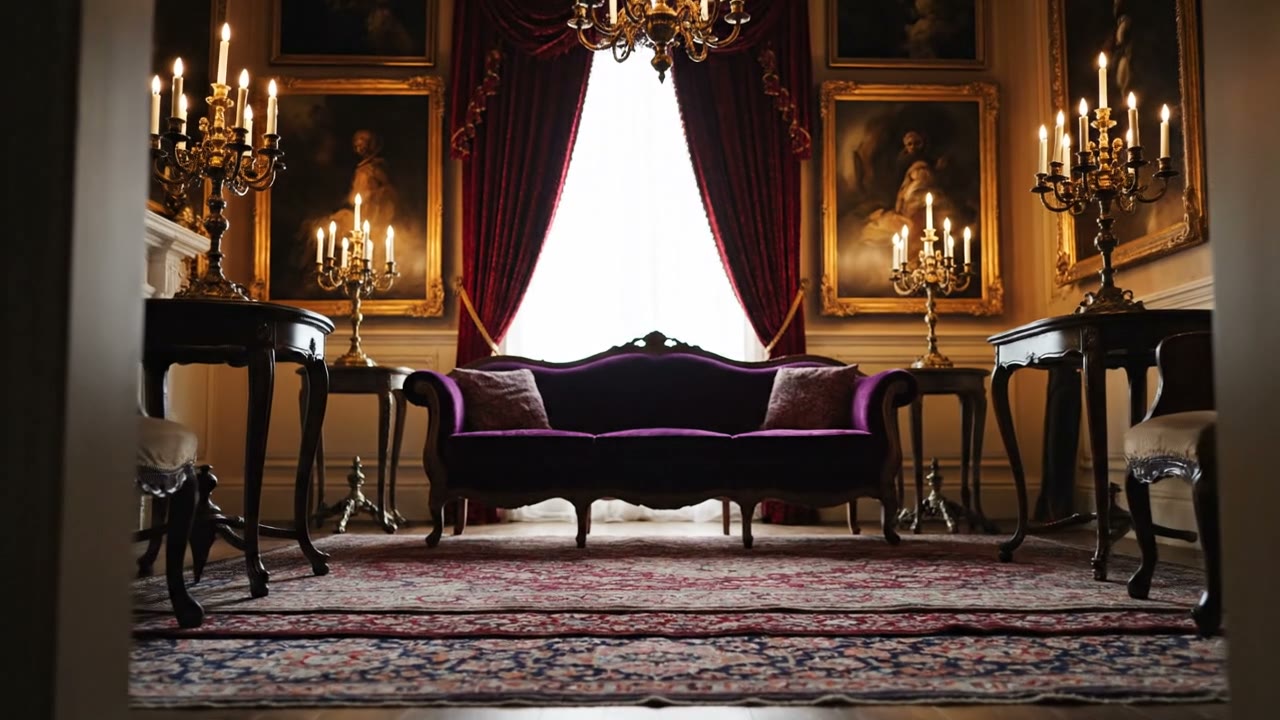
The chinoiserie dining room ages beautifully because the pattern carries so much work. Guests who couldn’t tell you a single other thing about your house could describe this wallpaper a decade later. That’s the mark of a room that landed.
✦ Shop This Look
9. The Industrial Supper Club — Brick, Steel, Dark Wood, and a Reason to Dress for Dinner
The industrial supper club dining room takes its aesthetic cues from the best downtown restaurants of the 1990s — exposed brick, steel pendant lights, dark reclaimed wood table long enough to seat ten. The chairs are leather or faux leather with metal frames. The vibe is: we’re serious about dinner here.
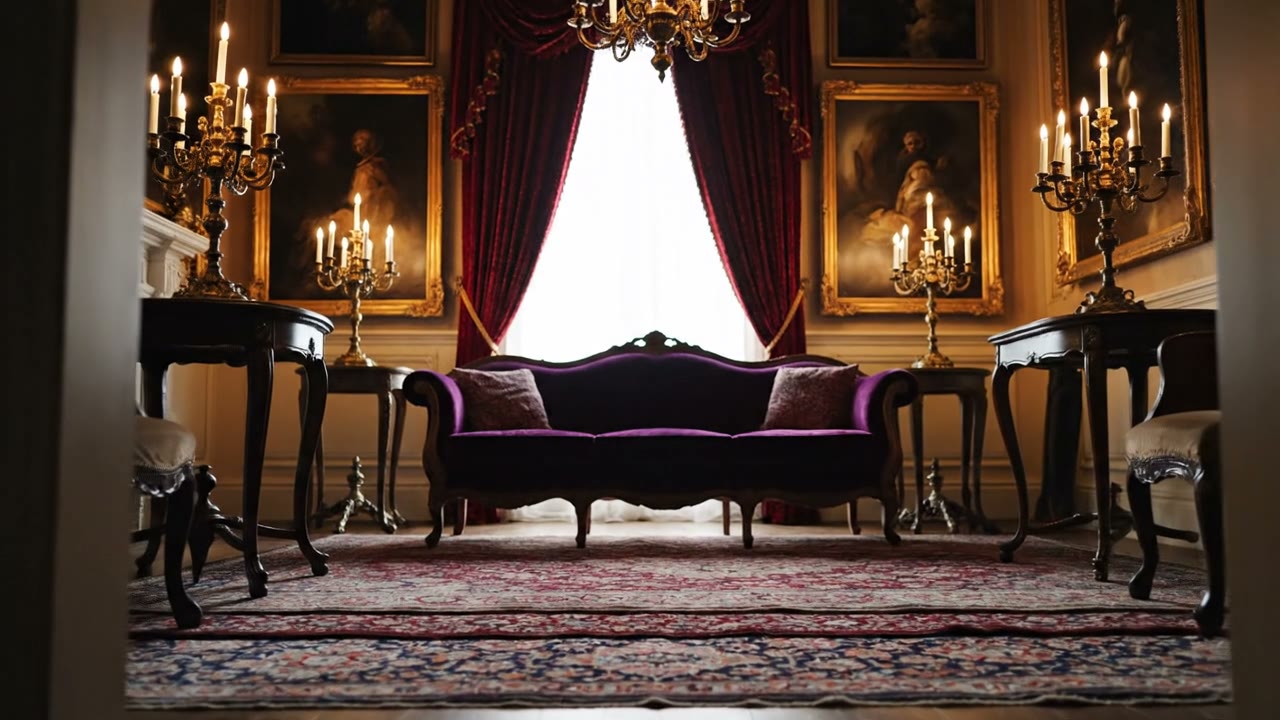
Edison bulbs on dimmer. A bar cart in the corner stocked with intention. Art that looks like it was acquired at auction and required a specific wall to exist on. The room asks guests to take the meal seriously, and they respond by being better versions of themselves at the table.
✦ Shop This Look
10. The Velvet and Gold Maximalist — When the Dining Room Commits Completely to Glamour
Some dining rooms decide: we’re going there. All the way there. Velvet chairs in emerald or sapphire or burgundy. A gold-leafed ceiling or a chandelier that justifies the electricity bill. Dark walls in lacquer finish. A table with brass inlay or glass top over a dark base. Art in heavy gilded frames. Curtains that pool on the floor.
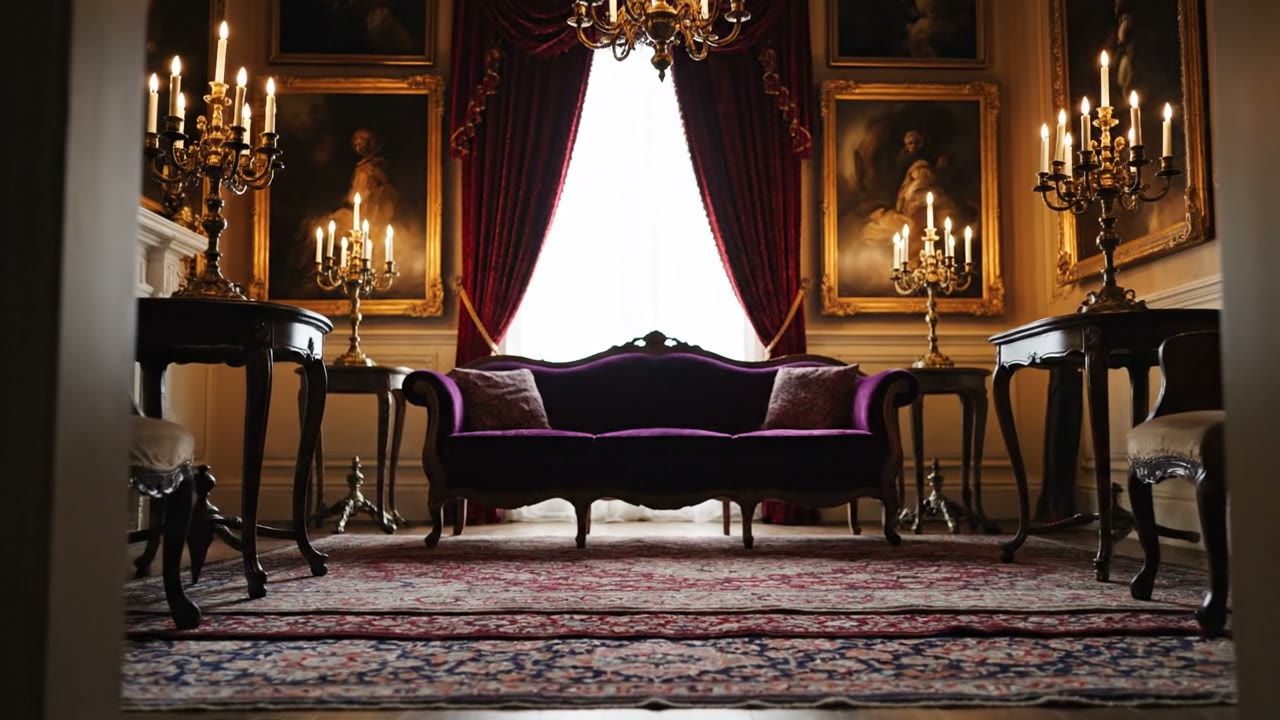
This is not a dining room for every night — or actually it is, because the most glamorous rooms are the ones that are lived in regularly and don’t make anyone feel like they can’t use the good chair. The velvet and gold dining room is made for dinner parties but earns its keep on a Tuesday in October when it’s just you and takeout containers and the chandelier.
✦ Shop This Look
11. The Collected Tablescape — When Setting the Table Is Its Own Art Form
Maximalist dining rooms have maximalist table settings. Not the matchy-matchy set-of-twelve with coordinated napkins — the collected tablescape: mismatched vintage plates in complementary patterns, different-height glassware, napkins in different fabrics tied with different ribbons, a centerpiece built from objects rather than flowers (though flowers help).
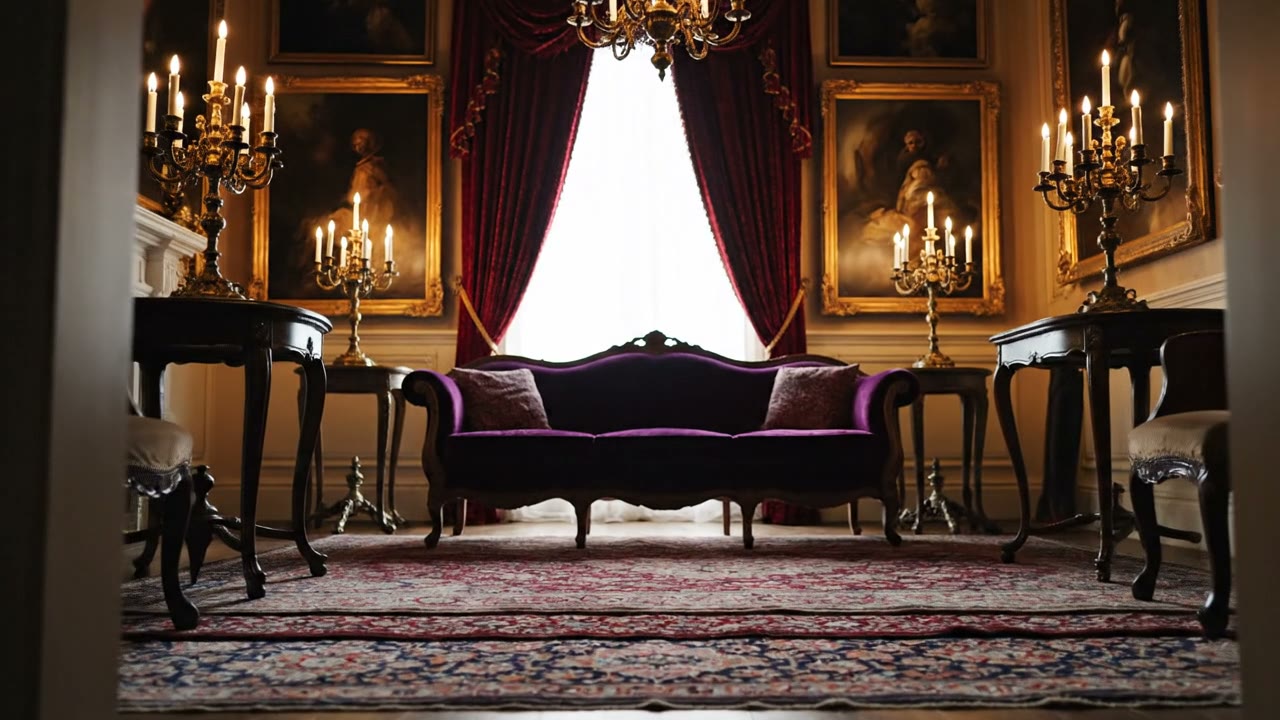
The art of the collected tablescape is finding the thread that connects disparate pieces: all dark and moody, or all botanical, or all metallic. The plates don’t match but the conversation does. This is the dining room equivalent of a perfectly curated Spotify playlist — each track different, the whole thing coherent.
✦ Shop This Look
12. The Breakfast Nook That Became a Destination — Banquette, Wallpaper, Drama
The breakfast nook is usually where dining rooms go to be humble. A corner bench, a small table, a window. Perfectly fine. Or: a wraparound banquette upholstered in a pattern that makes every morning feel like brunch at somewhere excellent. Dark botanical wallpaper on the nook walls. A pendant that hangs low over the table. Cushions you’d be happy to sit on for three hours.
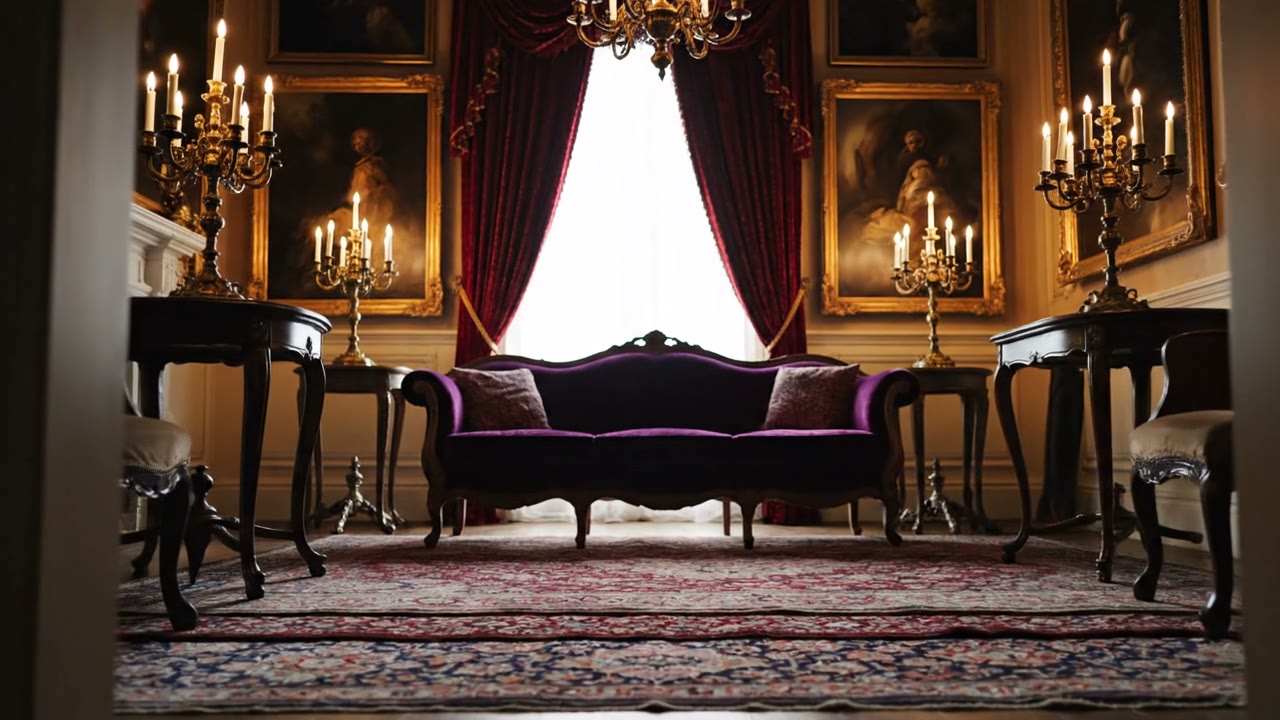
The breakfast nook done maximalist becomes the most used room in the house. People migrate to it. Laptops appear. Coffee cups accumulate. It earns its dramatic wallpaper not on weekends but on an ordinary Wednesday morning when the light comes through and everything looks exactly right.
✦ Shop This Look
13. The Open-Plan Refusal — Dining Rooms That Demand Their Own Space
Open plan living is a trend that peaked and is quietly being reversed by people who have realized that rooms are better when they know what they are. A dining room that is actually a dining room — with walls, with a door, with the ability to close itself off — is a different experience than a dining area that exists in the same visual field as the kitchen and the sofa.
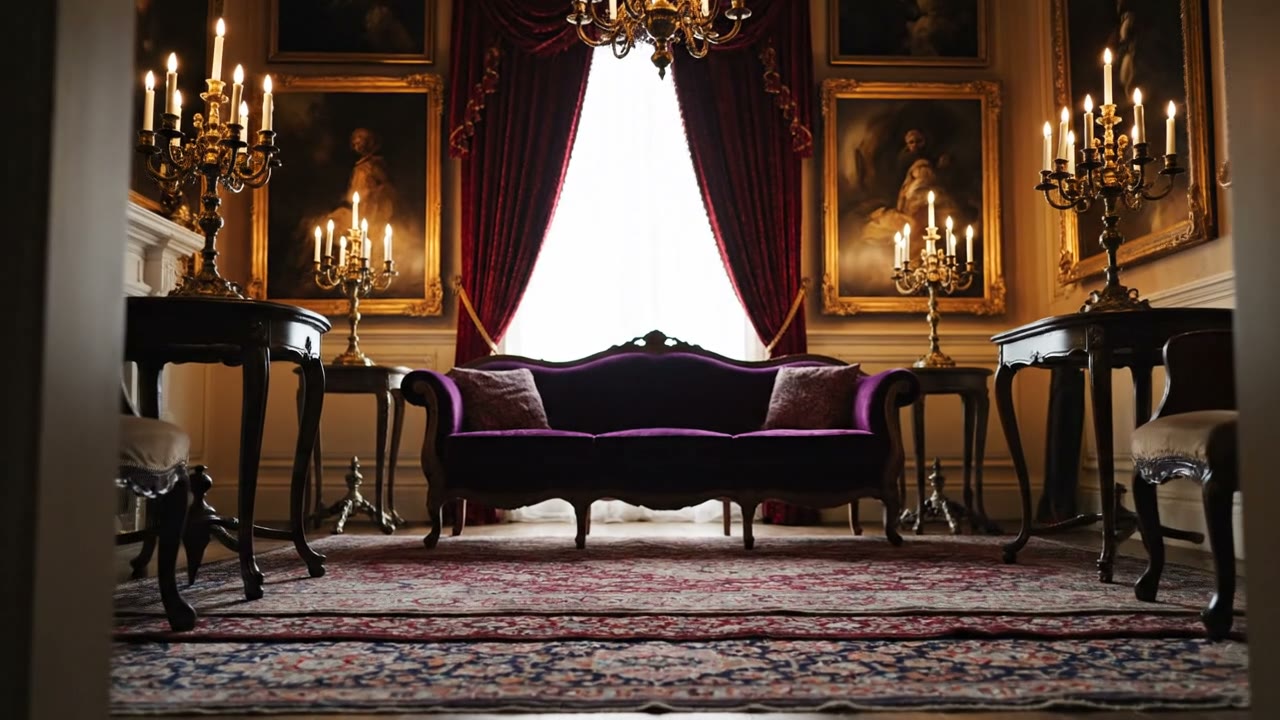
The enclosed dining room can make decisions that open plan layouts cannot: it can go darker. It can contain a smell (good dinner smells, cedar, beeswax, whatever the candles are). It can be a specific world that guests step into. The room that knows what it is becomes remarkable. The dining area that shares space with everything else is always compromising.
✦ Shop This Look
14. The Long Table Moment — Because Some Conversations Need More Chairs
The long dining table is an optimistic piece of furniture. It says: we are going to have people here. Regularly. In numbers. And we have prepared accordingly. A table that seats ten to twelve, in dark solid wood, with enough chairs to fill it and enough room between chairs that no one’s elbowing anyone over the bread basket.
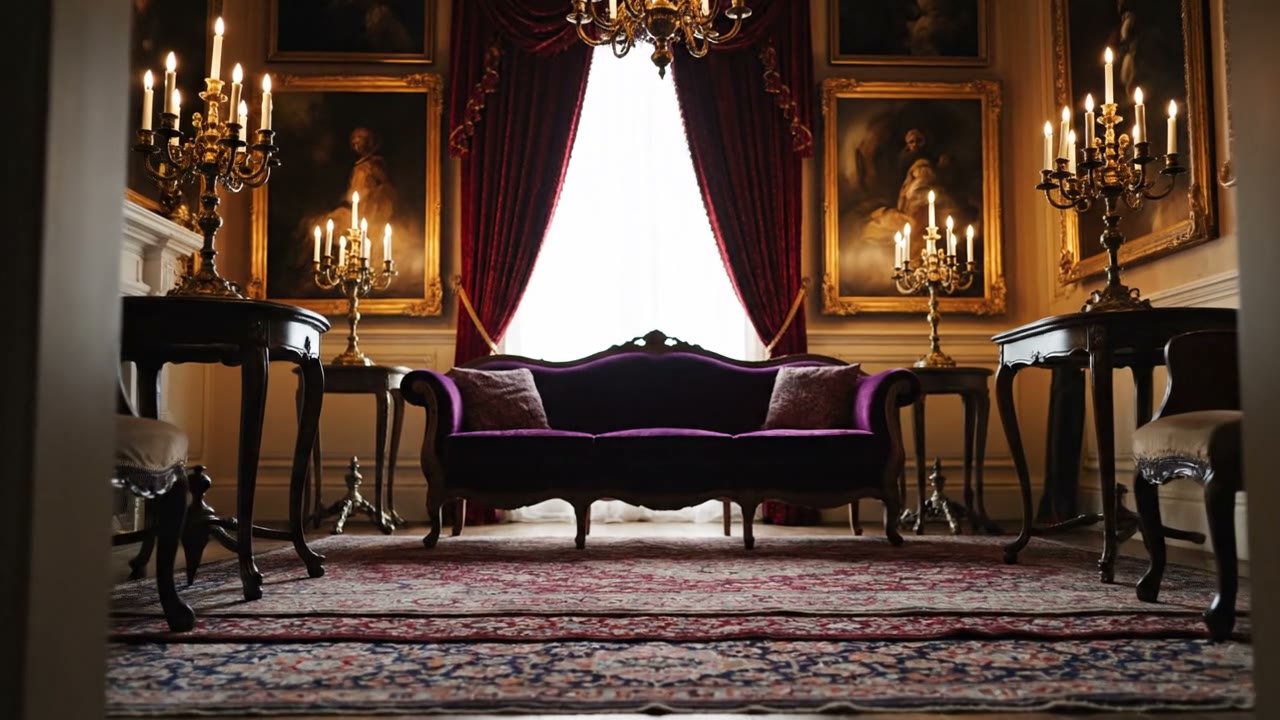
Above it: a run of three pendants or a single long linear fixture that matches the table’s length rather than fighting it. On it: candles at intervals, a runner in a dark linen, the table set as close to full as the occasion warrants. The long table is the most communal piece of furniture that exists. It should look like it knows that.
✦ Shop This Look
15. The Dining Room That Makes You Stay Too Long — and Means It
The best dining rooms are the ones where dinner ends and nobody moves. The plates are cleared, the wine is finished, the candles have burned down two inches, and still nobody reaches for their coat. Because the room itself is the reason to stay.
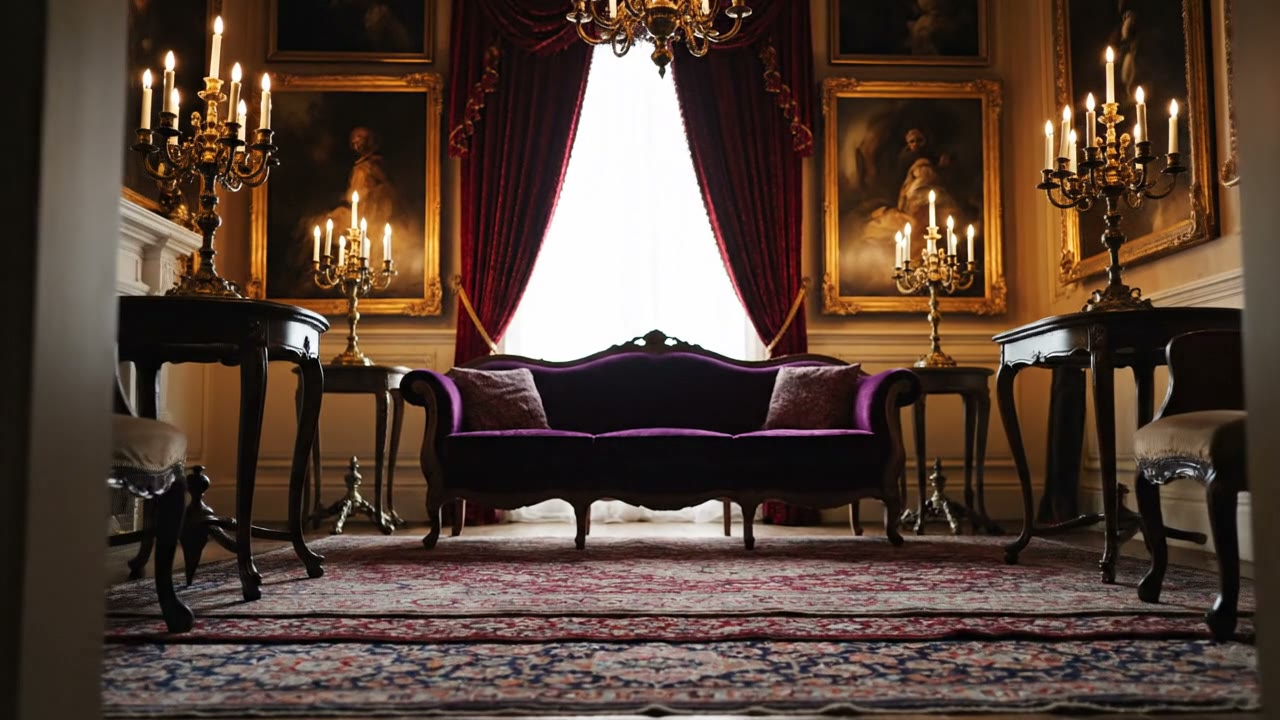
That room is not accidental. It was built by decisions: the right darkness, the right light, the right seating, the right objects on the right surfaces. The maximalist dining room done right creates a gravity that pulls people toward the table and keeps them there. That’s the whole design brief, really. Everything else is just the furniture.
✦ Shop This Look
The Dining Room Deserves to Be the Best Room in the House
It’s the room where things happen. Where the family actually sits together. Where guests come to know you through your home. Where meals become evenings and evenings become memories. It deserves more than a flat-pack table and a light fixture chosen by square footage.
Give it a chandelier with presence. Give it walls with something to say. Give it chairs worth sitting in and a table worth setting. A great dining room doesn’t require a renovation — it requires decisions. Make them deliberately. Make them dark. Make them yours.
More room inspo worth your time: Maximalist Home Offices, Moody Maximalist Entryways, and the Eclectic Maximalist Living Room roundup.