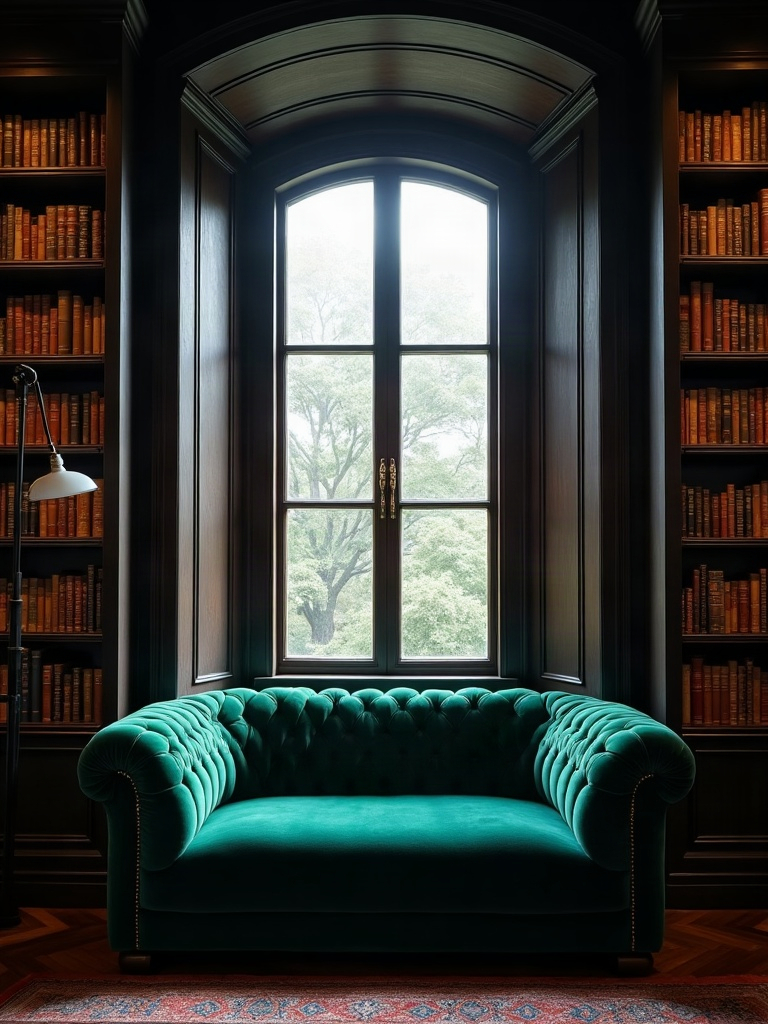
Maximalist Entryway Ideas: 15 Moody Halls That Set the Tone
15 Moody Maximalist Entryways That Make Everyone Who Enters Immediately Reconsider Their Own Home
You have approximately four seconds to make an impression. That’s too important to waste on a white wall and a coat hook.
The entryway is the smallest room in most houses and gets treated accordingly — a bench, maybe, a mirror, a rug that’s easy to clean. Functional. Forgettable. Which is such a missed opportunity it’s almost criminal, because the entryway is the room everyone enters. It’s the first sentence of the story your home tells.
A moody maximalist entryway says: you have arrived somewhere with opinions. It earns the rest of the house. It makes people want to see what comes next. Here are 15 entryways that understand their moment and completely seize it.
1. The Statement Console — One Table, One Mirror, Maximum Drama
The entryway console table is the most leveraged surface in the house. One excellent piece here — a dark marble-topped console, a lacquered chinoiserie cabinet, an ornately carved antique — sets the entire tone for everything that follows. Everything else in the entryway exists in relation to it.
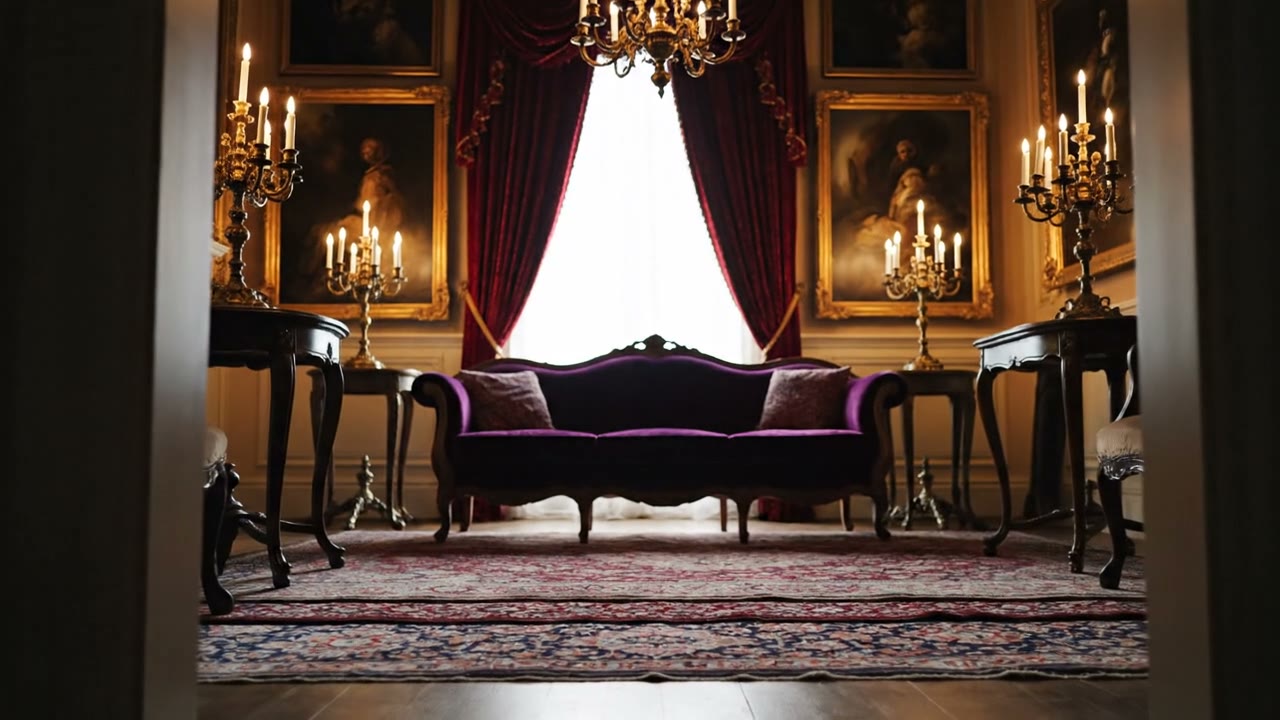
Above it: an oversized mirror in an ornate frame, ideally slightly too large for the space. Flanking it: two matching lamps, or two non-matching lamps that are both interesting enough to survive the comparison. On it: a curated collection that rotates with mood and season. This is not a drop zone. It’s a composition.
✦ Shop This Look
2. The Gallery Hall — Art Before Anyone Even Gets to the Living Room
A narrow entryway becomes intentional and architectural when it’s treated as a gallery corridor. Art hung floor to high, dense enough to fill the field of vision without crowding the path. Dark walls make every frame pop — charcoal, deep forest, black — and the frames themselves become part of the composition: ornate gold, plain black, dark wood, all mixed.
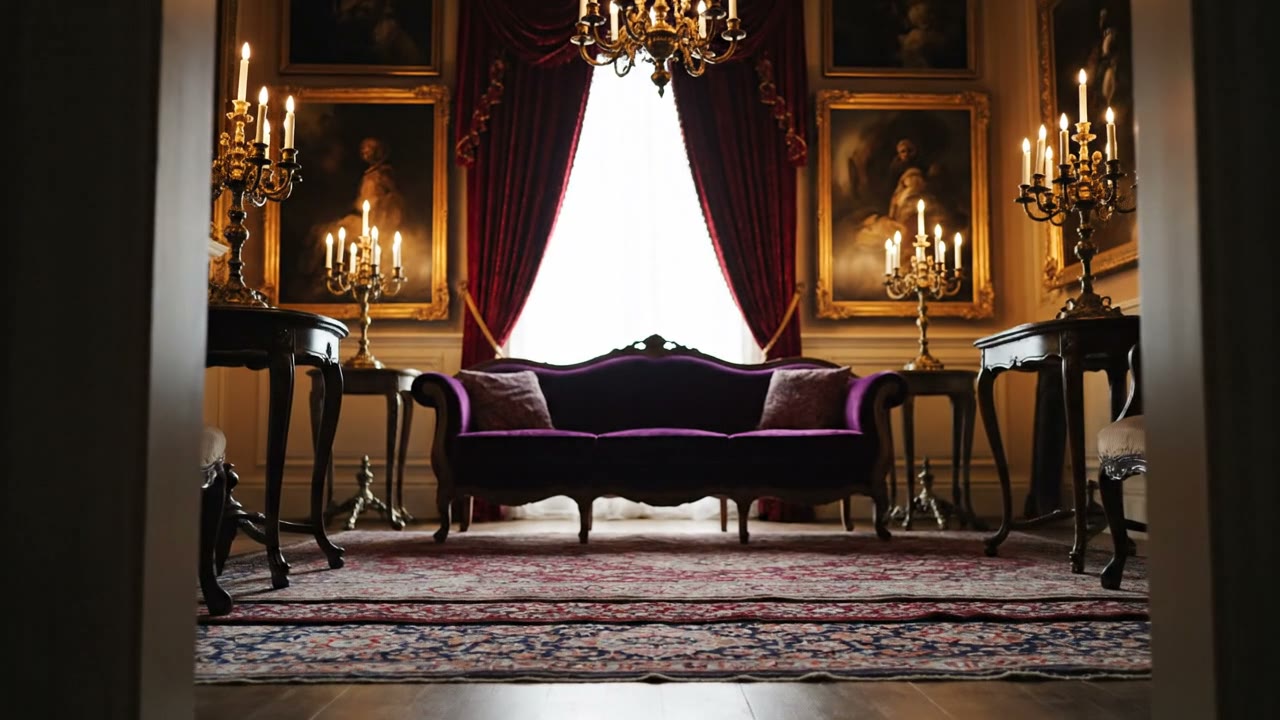
The key is hanging height: gallery standard is center at 57 inches from the floor, but in a narrow hall you can go higher because the viewer is moving through, not standing still. Let the art rise. Let the ceiling feel earned.
✦ Shop This Look
3. The Dramatic Ceiling — When the First Thing You Notice Is Above You
Most entryways forget the ceiling entirely. This is a mistake. In a small entry, the ceiling is your biggest untapped canvas. Wallpaper an entryway ceiling in a deep botanical print. Add a statement pendant that hangs low enough to be noticed. Install a medallion. Paint it a color that surprises.
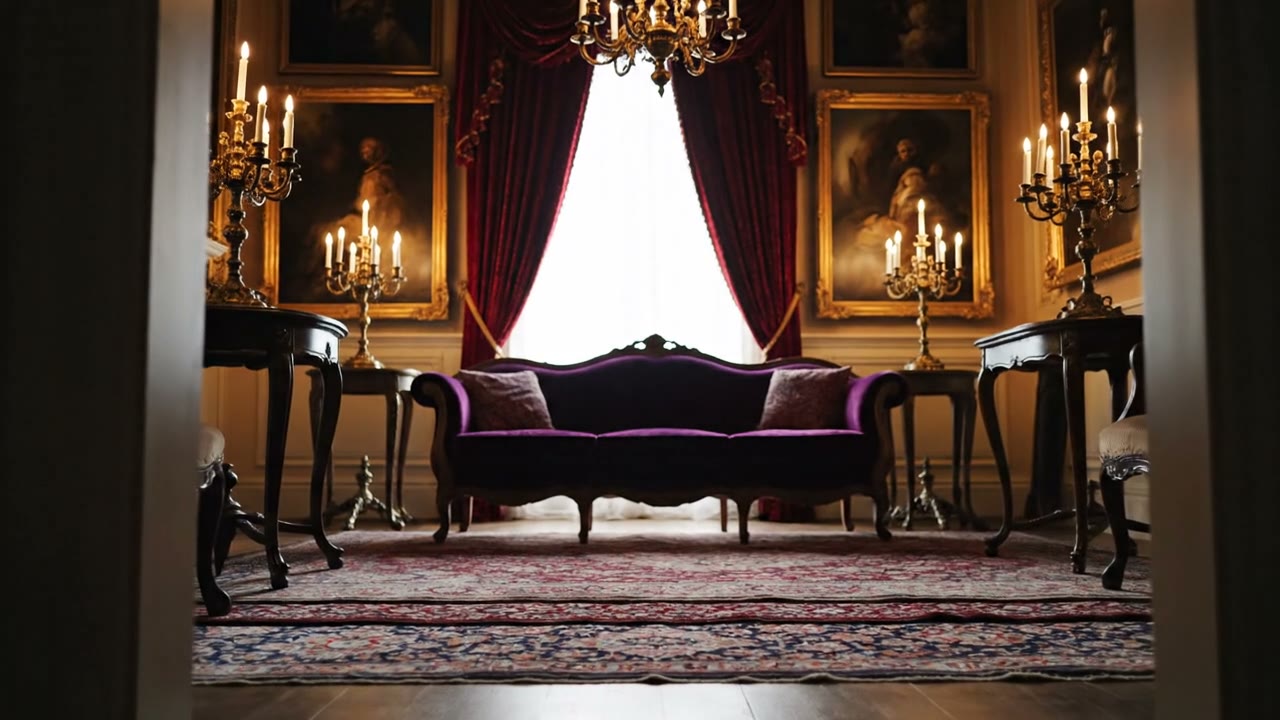
When someone walks in and immediately looks up, you’ve already won. The room has exceeded expectations before they’ve even taken off their coat. Whatever happens next is a bonus.
✦ Shop This Look
4. The Dark Wallpaper Entry — Pattern Before Minimalism Even Had a Chance
Wallpaper in an entryway is the fastest single upgrade possible. Small spaces can handle aggressive pattern — in fact they require it. A dark maximalist wallpaper in a small entryway reads as intentional and sophisticated because the scale is contained. It’s not overwhelming; it’s framed.
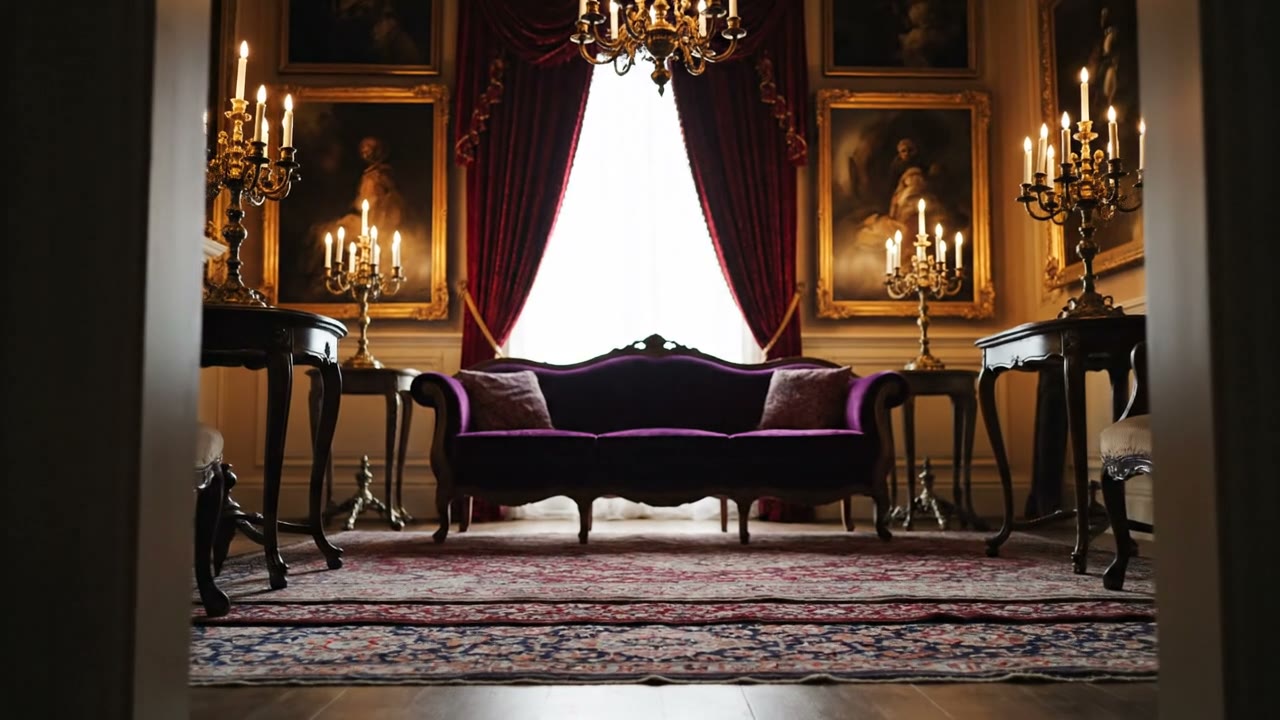
Deep blue botanical. Moody dark floral. Dark chinoiserie in navy and gold. Black and white toile if you’re feeling theatrical. The pattern doesn’t need to match anything else in the house — it’s its own room, its own statement, its own first impression.
✦ Shop This Look
5. The Converted Coat Closet — Function Is Not the Enemy of Beauty
The coat closet doesn’t have to be a beige void with wire shelving. Open the doors, remove them entirely if necessary, add wallpaper inside, install a brass rod with hooks, put down a small rug, and add a light inside. What was dead space becomes a fully designed feature.
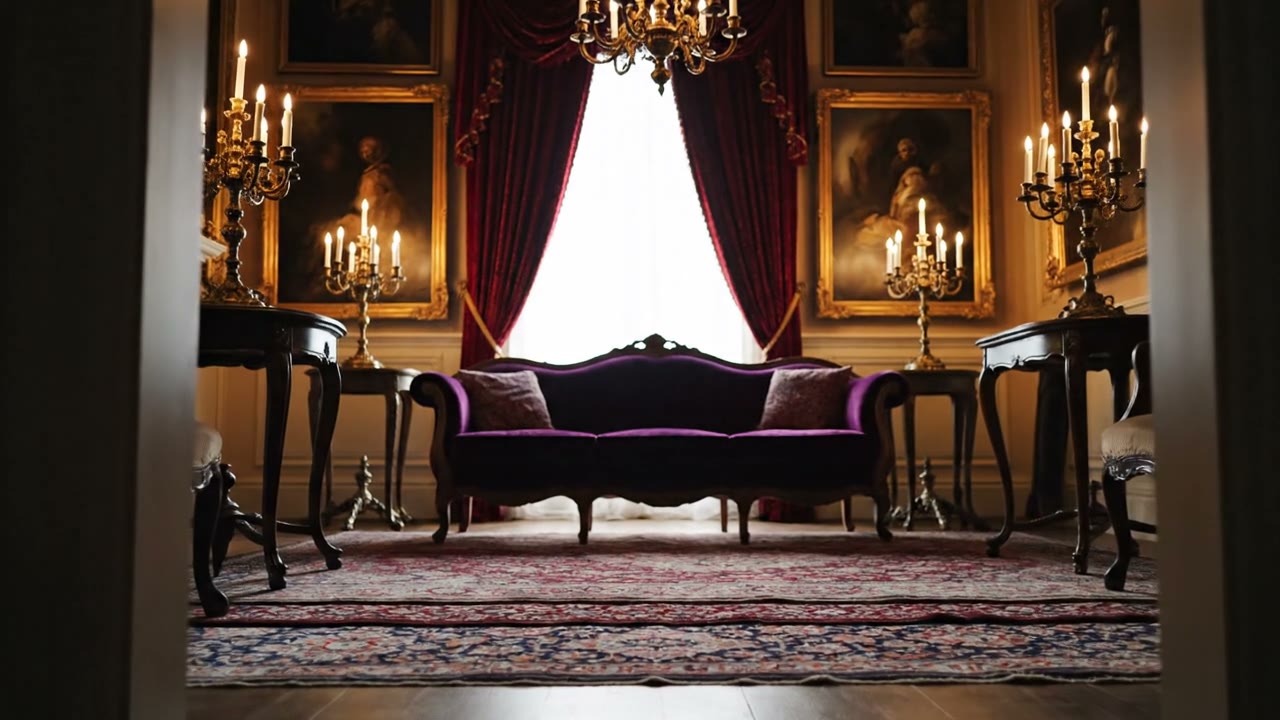
On the back wall inside: wallpaper in a pattern that would be too bold for the main entry. On the shelves above: baskets that are beautiful enough to be visible. On the floor: a small kilim. The coat closet becomes a moment rather than a utility, and the entryway gains a layer of depth it didn’t have before.
✦ Shop This Look
6. The Moody Mudroom — Because Practical Spaces Deserve Dark Drama Too
The mudroom is usually the most honest room in the house — and therefore the one most likely to be neglected aesthetically. But there’s no reason a mudroom can’t be both functional and deeply, moodily maximalist. Dark painted walls. Exposed hooks in brass or unlacquered iron. A bench in dark wood with storage underneath. A runner rug in deep geometric pattern.
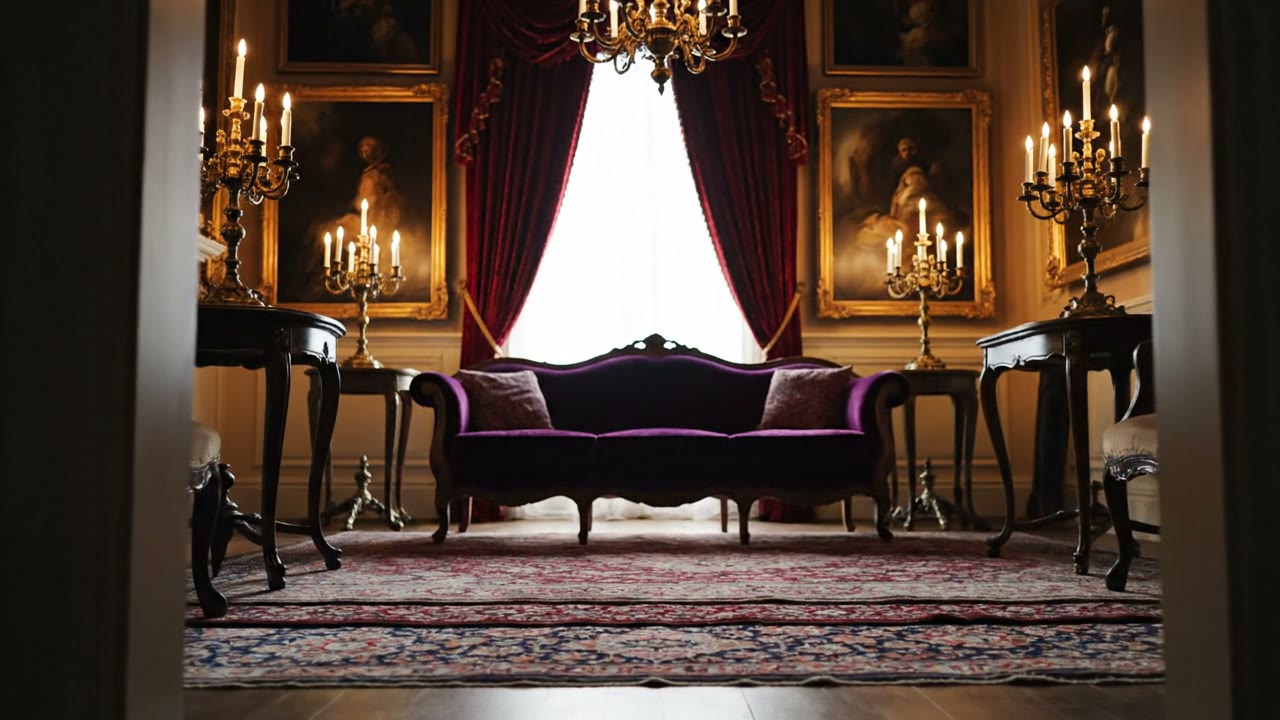
The work happens here. Wet boots, school bags, dogs shaking themselves dry. The room can handle it — and it can look spectacular while doing so. Moody mudrooms make the act of arriving home feel like walking into a space that’s already on your side.
✦ Shop This Look
7. The Grand Foyer Moment — When You Have the Ceiling Height and You Use Every Inch
When the entryway has real ceiling height, the only sin is not using it. A chandelier that fills the vertical space. Drapes that go floor-to-ceiling on any window. Art hung in a salon-style floor-to-ceiling composition. A staircase railing painted in a contrasting color. A lantern pendant so large it makes people stop.
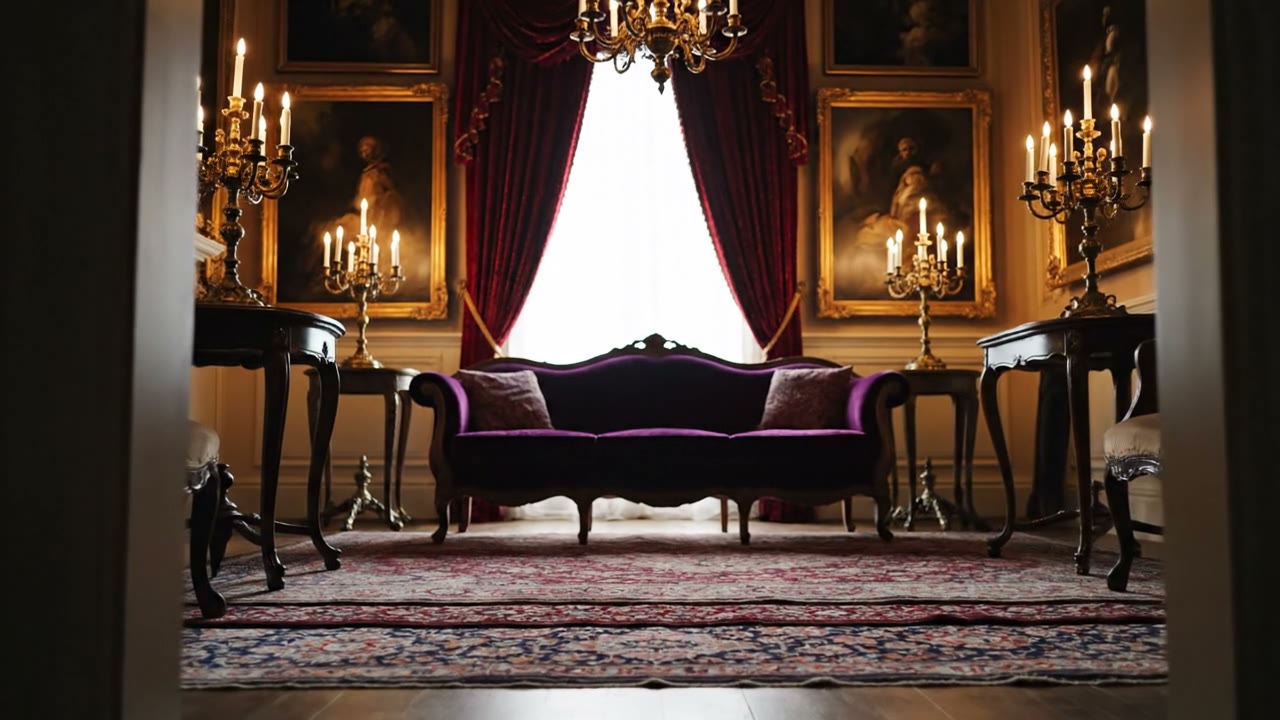
Grand foyer maximalism is about filling the verticality intentionally. Every inch of height is a decision about what goes there. The empty air above head height is where drama lives — and in a grand entry, drama is not a luxury, it’s a responsibility.
✦ Shop This Look
8. The Plant Portal — A Living Wall That Says ‘This House Is Thriving’
An entryway full of plants is an immediate signal: life is happening here, and it’s happening abundantly. Tall plants that flank the entry like sentinels — a fiddle leaf fig, a snake plant, a majesty palm that has entirely committed to its scale. Smaller plants on a tiered stand by the door. A trailing pothos cascading off the console table.
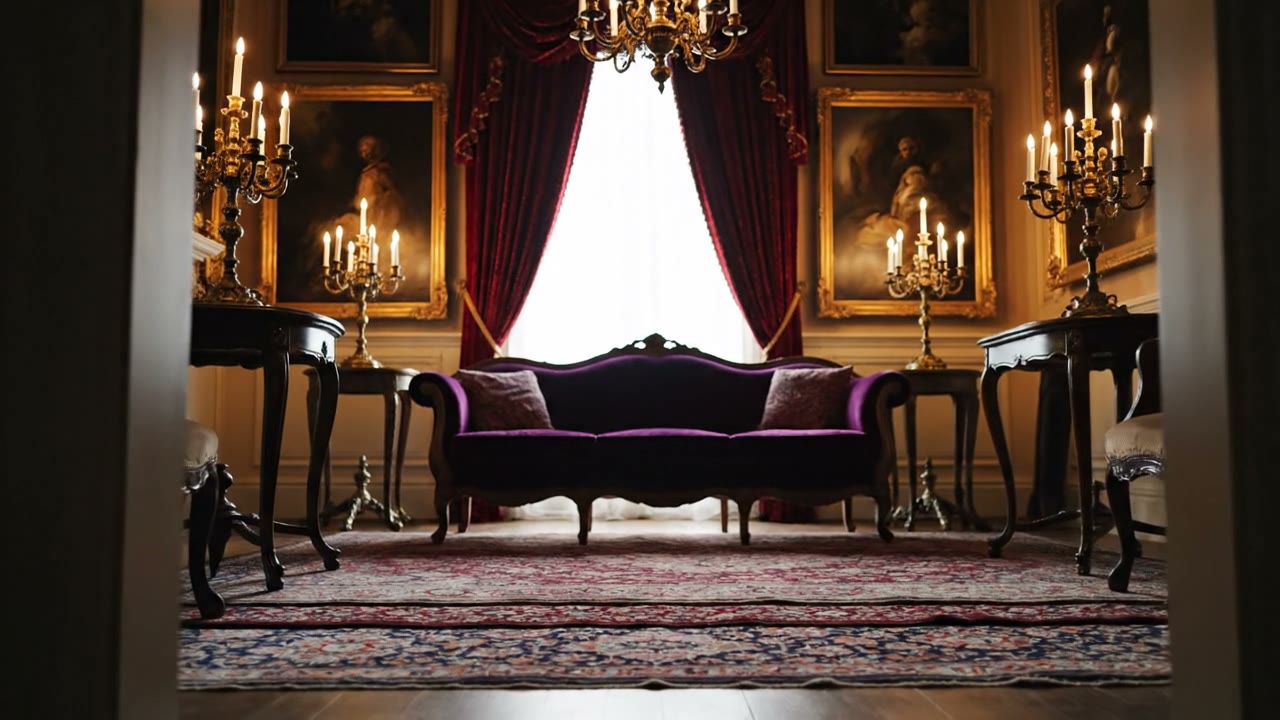
Against dark walls the green pops with a vividness that photographs can’t quite capture. The entry smells alive. It changes with the seasons. It asks for attention and in return makes everything around it more interesting.
✦ Shop This Look
9. The Mirror Wall — Depth, Light, and the Appearance of More Space Than Exists
A single large mirror can transform an entryway. A collection of mirrors — varying sizes, all in dark or gold frames, hung in a salon-style arrangement — can make it transcendent. Mirrors in a small entry do three things: they make the space appear larger, they bounce whatever light exists to maximum effect, and they create a layered visual texture that reads as sophisticated without any additional effort.
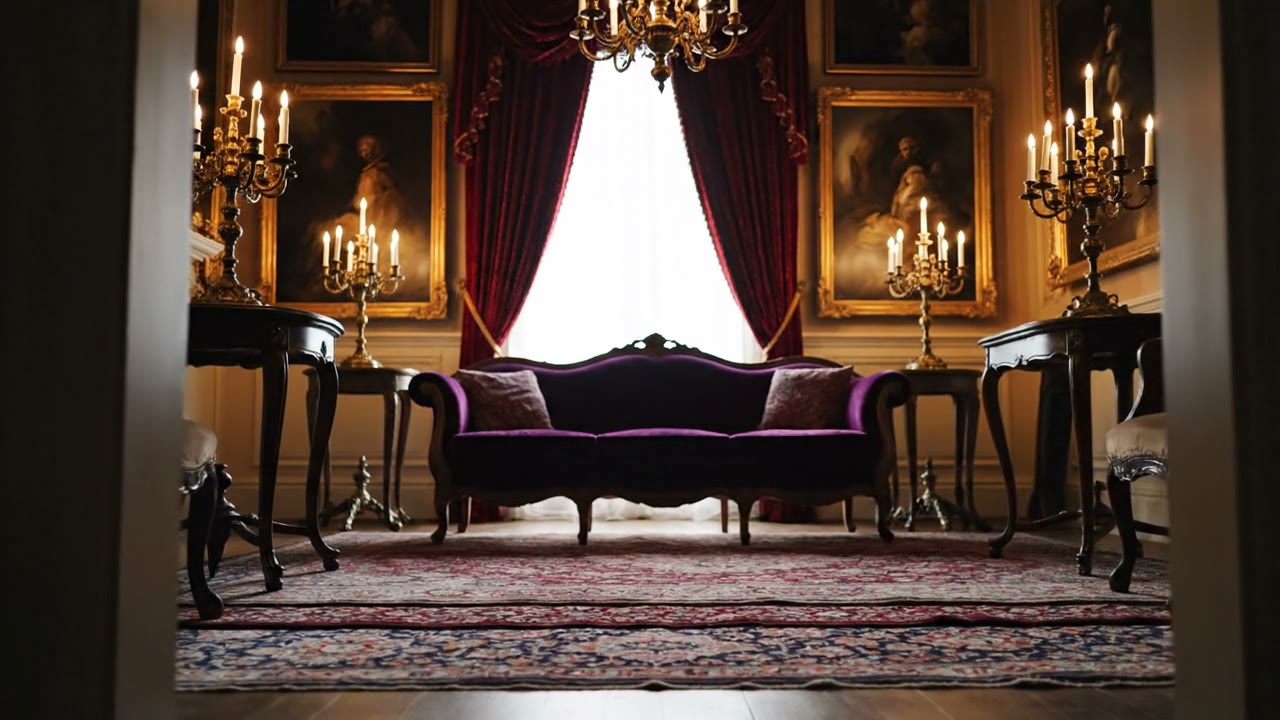
The arrangement matters: the largest piece centered, smaller pieces radiating outward, no two frames the same but all belonging to the same family of finish. Lean one against the wall if you’re rental-constrained. Either works. Both are excellent.
✦ Shop This Look
10. The Scent Station — Because Entry Should Be Experienced, Not Just Seen
The best entryways are experienced with more than just the eyes. A reed diffuser in something dark and complex (oud, black cedar, sandalwood, dark amber). A candle on the console that burns when guests are expected. A bowl of dried botanicals — eucalyptus, rosemary, dried rose — that scents the space passively.
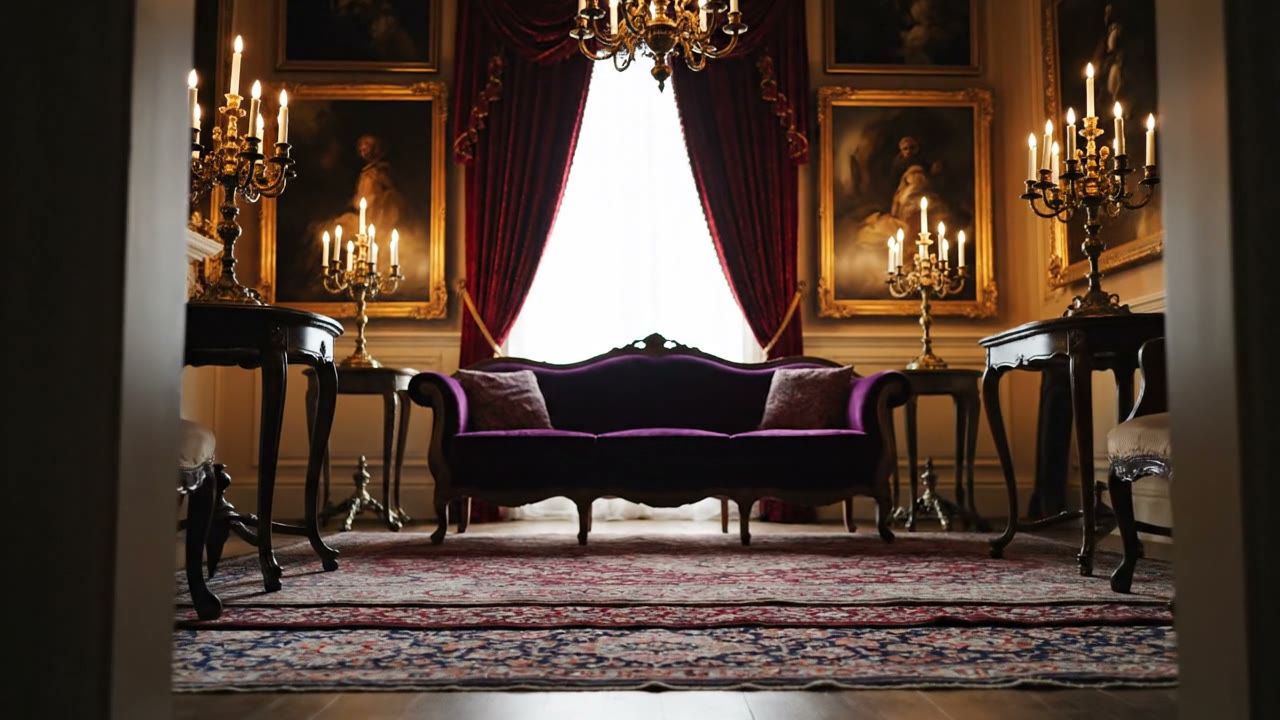
Scent is the fastest memory-maker of all the senses. Guests will forget the wallpaper eventually. They will not forget how your house smelled. Make it intentional. Make it yours. Make it the kind of smell that makes people stop in the doorway and say something.
✦ Shop This Look
11. The Stair Hall — When the Staircase Becomes the Feature
If your entry includes a staircase, the staircase is the feature. Treat it accordingly. A runner in a deep jewel-tone pattern that goes all the way up. Gallery wall on the stair wall that climbs with the steps, art hung at a diagonal following the riser line. A light fitting over the landing that deserves to be there.
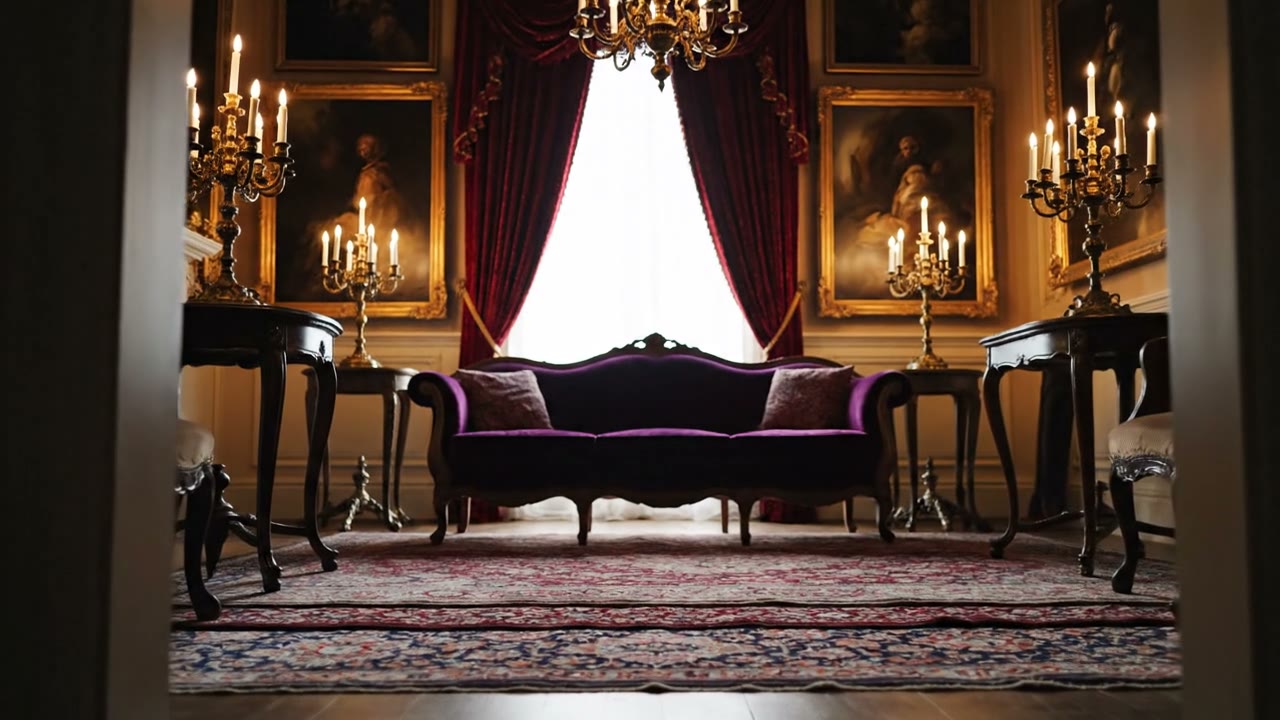
The stair hall is the one vertical surface in most homes that goes completely underdesigned. Its length and height make it the single biggest opportunity in any two-story house. Fill it slowly and deliberately. Let it grow into something people mention unprompted.
✦ Shop This Look
12. The Maximalist Rug Moment — Pattern Underfoot Before Anything Else
In an otherwise simple entryway, a single extraordinary rug can carry the whole room. Not a flat, washable, practical rug — an extraordinary rug. A vintage Persian. A hand-knotted kilim in unexpected color. A bold geometric in deep navy and rust. Something that makes you look down and feel like you’ve arrived somewhere specific.
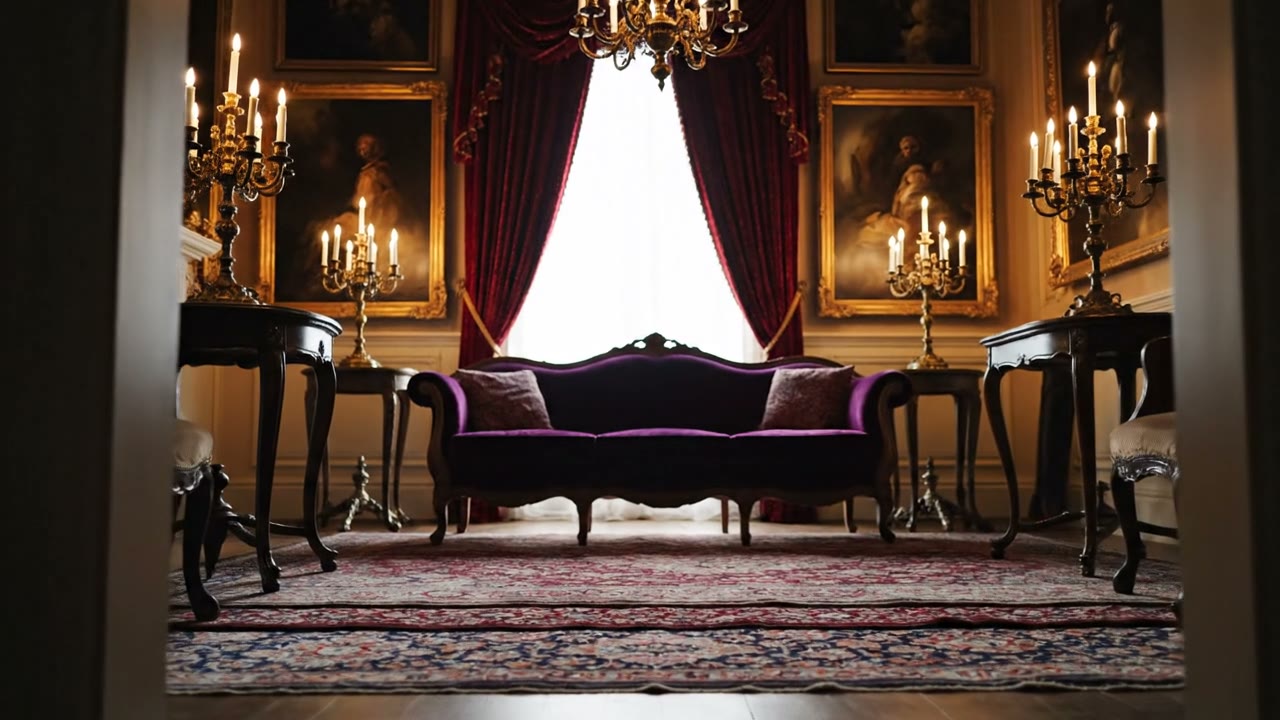
Size matters: bigger is almost always better in an entryway. The rug should define the space, not apologize for taking up room in it. Edge it right to the walls if possible. Let it be the whole floor statement and let everything above it respond.
✦ Shop This Look
13. The Curated Object Entry — Sculpture, Artifact, and the One Thing That Demands Explanation
The maximalist entryway isn’t only about surfaces and walls. It’s about objects. A single large sculpture on the floor — a ceramic vessel, an abstract bronze, a large piece of driftwood that somehow became art. A collection of interesting things on the console arranged with the care of a museum installation.
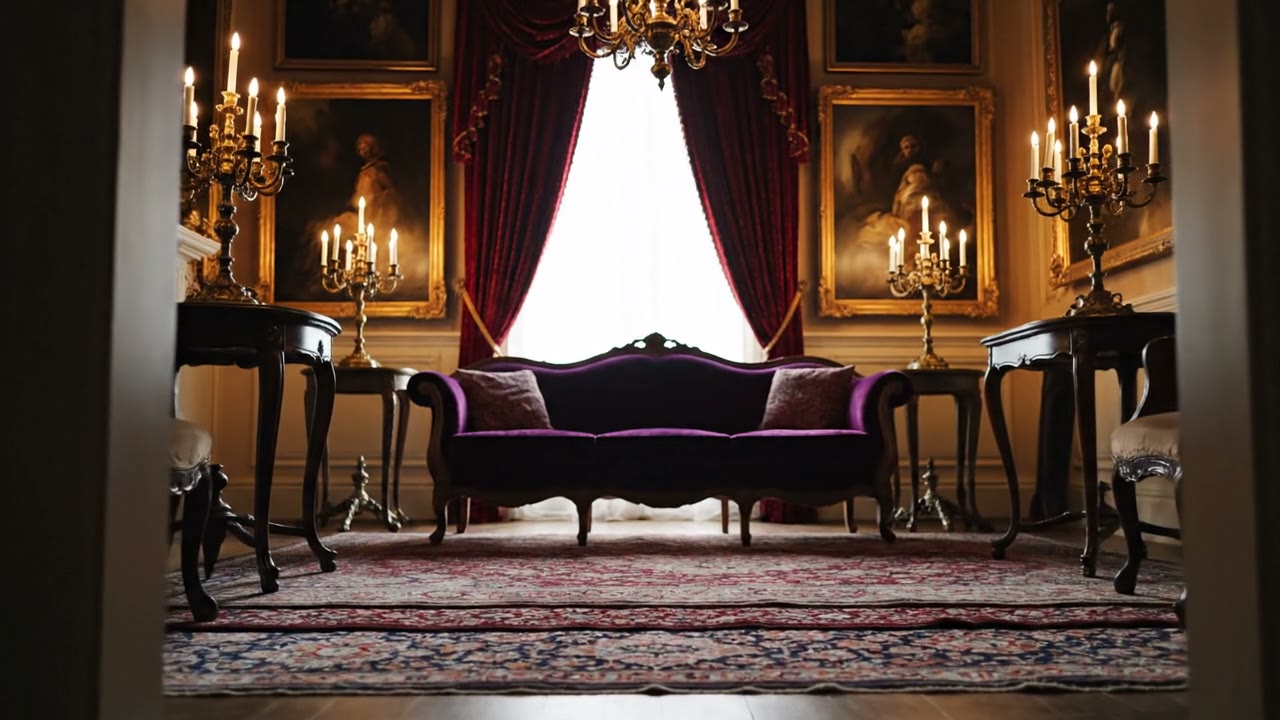
There should be at least one thing in the entry that guests ask about. A taxidermied butterfly under glass. An antique hour glass. A vintage globe with pencil annotations. One object that opens a conversation before anyone has even sat down. That’s how you make an impression that lasts past dinner.
✦ Shop This Look
14. The Maximalist Bench — Seating That Is Also Art
Every entryway bench is a missed opportunity or a statement piece. There is no in-between. The maximalist bench is upholstered in something unexpected — a dark velvet, a bold check, an ikat print that shouldn’t survive the scrutiny of daily use but absolutely does. The legs are turned wood or brass or wrought iron. There are throw pillows on it that no rational person needs in an entryway but everyone who sees them immediately understands.
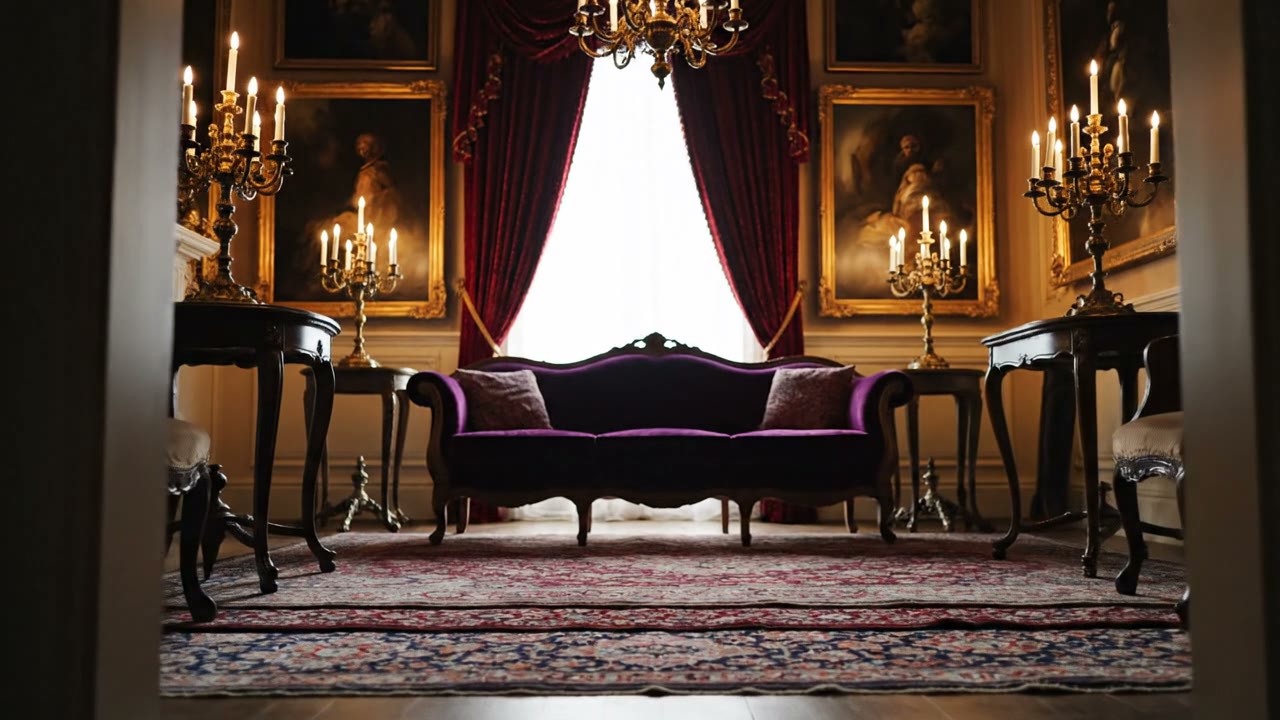
Under the bench: storage baskets in dark wicker or metal. The bench is doing three jobs: sitting, storing, and making a statement. This is what multi-tasking looks like when it’s done right.
✦ Shop This Look
15. The Entry That Outshines What Comes Next — and Earns It
The greatest compliment an entryway can receive is making guests nervous about what comes next — not because they fear disappointment but because they can tell that whatever is behind the next door is going to be something. The entry has calibrated expectations upward. It has made a promise.
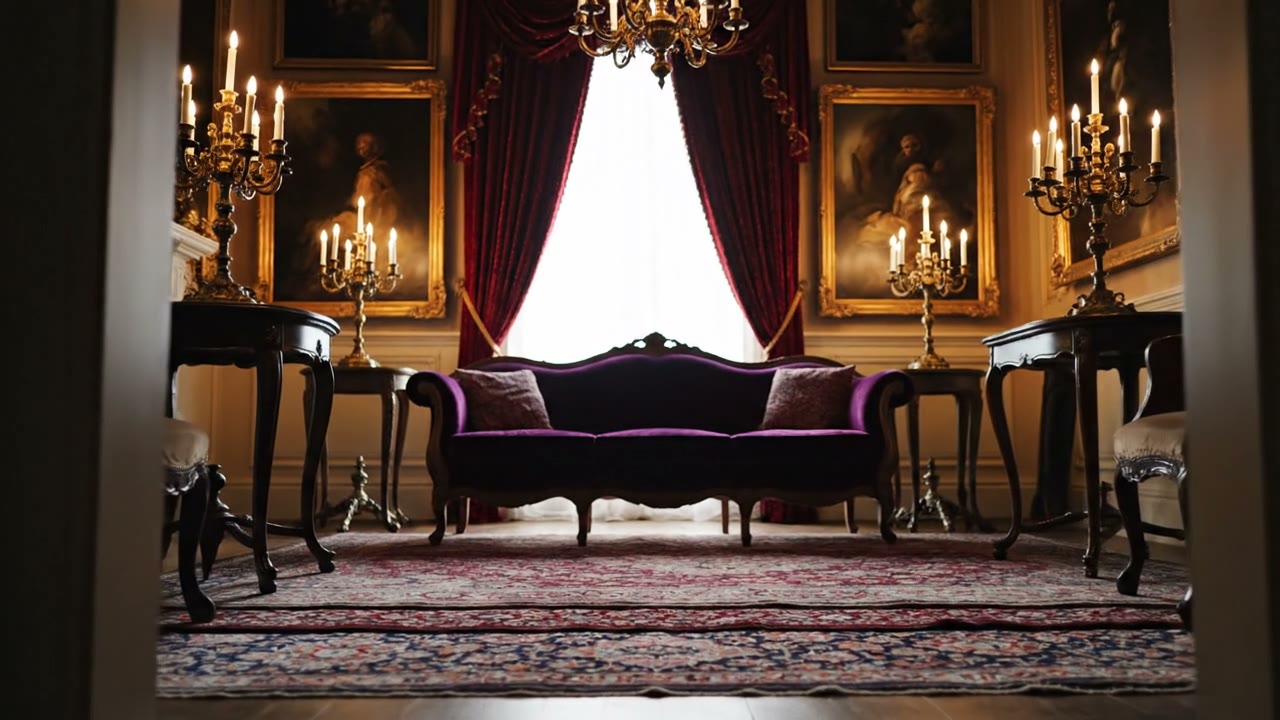
You want to keep that promise, obviously. But the entry’s job is to make it. Dark walls, a chandelier with presence, art that means something, a rug with history (or the appearance of history), one extraordinary object, the right scent — and suddenly your 4-by-8-foot front hall is the best room in the city. Everything after it is just the rest of the sentence.
✦ Shop This Look
The Entryway Is Where the Story Begins
You don’t have to have a grand foyer to make an entrance. You just have to make decisions. Dark paint costs the same as light paint. An oversized mirror costs the same as a small one. The choices compound into a room that either says “we live here carefully” or “we live here with intention.” Only one of those is interesting.
For more rooms that understand the value of a first impression: Dark Moody Living Rooms, Dark Academia Living Rooms, and the Best Eclectic Maximalist Decor Finds.